
Psychotria berteroana
Psychotria berteroana
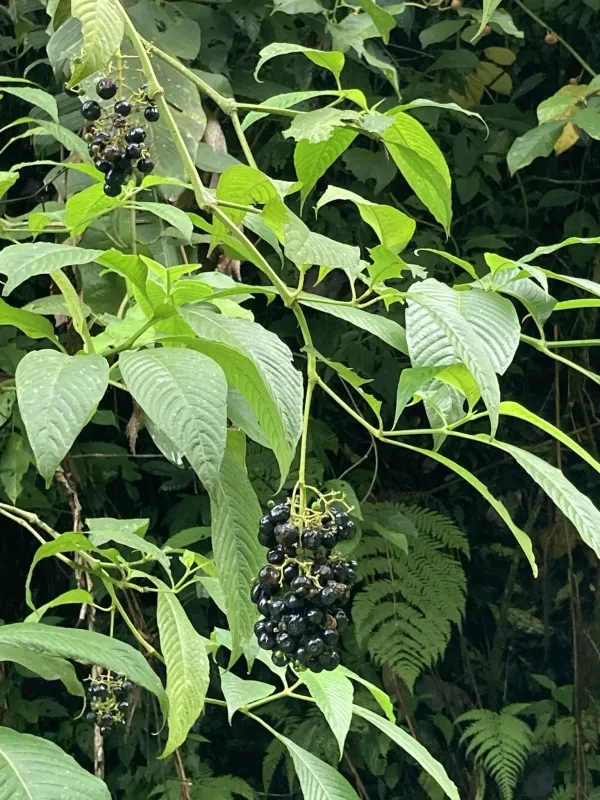
Description
Growing requirements
Psychotria berteroana belongs to the Rubiaceae family, a diverse group comprising many tropical woody plants. This species is native to the Caribbean and tropical regions of South and Central America, where it typically thrives in humid forest understories.
The plant exhibits typical botanical features of the genus, including opposite, evergreen leaves with pronounced venation. Its growth habit is that of a shrub or a small tree, which serves as a vital component of the local biodiversity, providing food for avian pollinators.
Cultivation requires conditions that mimic its natural habitat: high humidity and consistent, warm temperatures ranging from 20°C to 28°C. It is not frost-tolerant and must be protected from cold drafts and direct, intense sunlight which can scorch the foliage.
The soil requirements focus on high organic matter content, excellent drainage, and a slightly acidic to neutral pH. A substrate composed of peat, perlite, and decomposed leaf litter is often recommended to support healthy root development and prevent compaction.
Watering management is crucial for this species; it prefers consistently moist soil but suffers quickly in waterlogged conditions. Adequate ventilation is also necessary to prevent stagnant air, which can be detrimental to the plant's overall health and vigor.
Main diseases and pests
Common pests affecting Psychotria berteroana include spider mites and mealybugs, especially in indoor or greenhouse settings. These pests thrive in dry environments and can cause severe damage to young foliage if not monitored regularly.
Root pathogens such as Pythium and Phytophthora can compromise the root system if the potting medium remains saturated for extended periods. These fungal infections are difficult to eradicate and are best prevented through proper irrigation scheduling.
Fungal leaf spot diseases may appear during periods of high humidity and poor airflow. Managing the environment is the first line of defense, followed by the application of copper-based fungicides if infections begin to spread throughout the canopy.
Nutrient deficiencies, particularly nitrogen and magnesium, often manifest as yellowing of leaves or interveinal chlorosis. Regular monitoring and balanced fertilization using a complete micronutrient-fortified formula can rectify these issues effectively.
Biological controls such as predatory mites can be used to manage spider mite populations effectively in a greenhouse. Maintaining optimal cleanliness and regular pruning of dead or diseased tissue are essential practices for successful long-term cultivation.