
Psychotria vellosiana
Psychotria vellosiana
Description
Growing requirements
Psychotria vellosiana is an evergreen shrub species belonging to the family Rubiaceae. Native to the Atlantic Forest regions of South America, this plant is primarily found in humid tropical and subtropical environments.
The cultivation of this species requires strict adherence to climatic conditions. It thrives in temperatures between 18°C and 28°C and necessitates high air humidity, making it suitable for greenhouses or controlled indoor environments in non-tropical regions.
Soil requirements are specific: the plant demands a well-draining, nutrient-rich substrate with an acidic to slightly acidic pH. Proper soil structure is essential to prevent root asphyxiation, as the roots are sensitive to waterlogging.
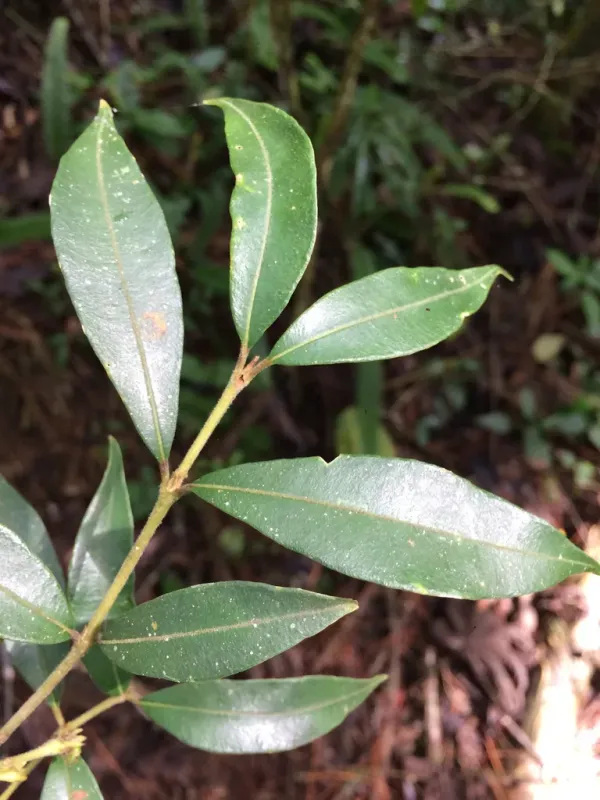
Botanically, Psychotria vellosiana is noted for its lanceolate, dark green leaves and clusters of small white flowers. The plant typically requires partial shade, as intense direct light can degrade the foliage quality and cause physiological stress.
In terms of agricultural techniques, consistent moisture levels and periodic fertilization with balanced liquid nutrients are recommended. Propagation is usually achieved through semi-hardwood cuttings under high-humidity conditions to ensure successful root development.
Main diseases and pests
Major phytosanitary threats to Psychotria vellosiana include fungal infections triggered by poor air circulation. Powdery mildew and various leaf spot diseases are common when humidity is not managed correctly.
Pests such as spider mites and scale insects are the primary threats. These organisms thrive in dry environments and can quickly infest a collection if regular monitoring and maintenance are neglected.
Integrated pest management involves the use of neem oil or biological controls, as the plant is relatively sensitive to strong chemical pesticides. Manual cleaning of foliage can also mitigate the spread of early-stage infestations.
Root rot, caused by overwatering or compacted soil, represents a severe agricultural risk. Maintaining a strict irrigation schedule is the most effective preventative measure against these systemic issues.
To ensure plant longevity, it is essential to isolate new specimens and maintain clean cultivation conditions, preventing the introduction of pathogens that could compromise the overall health of the crop.