
Psychotria serpens
Psychotria serpens
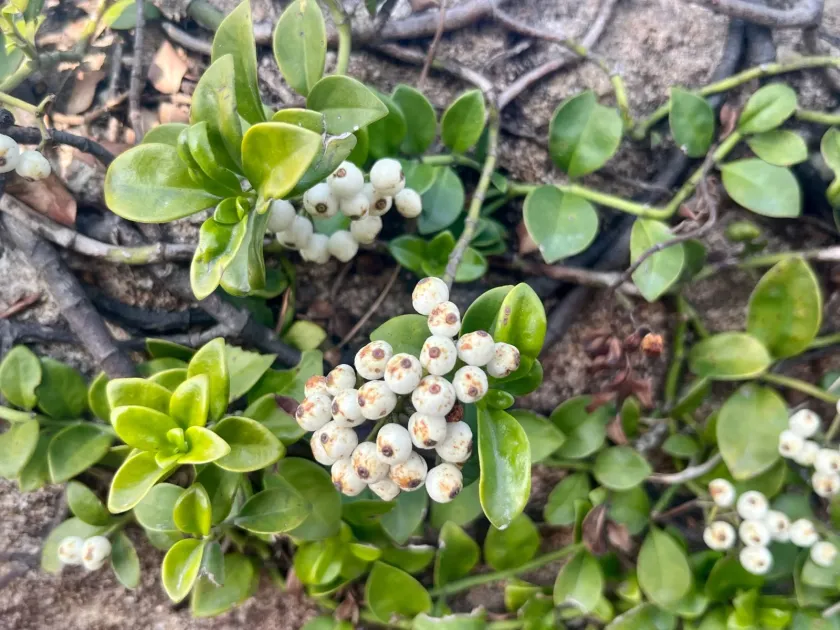
Description
Sowing dates
Psychotria serpens belongs to the Rubiaceae family and is a creeping, evergreen perennial. In its natural tropical environment, it often grows as an epiphyte, colonizing tree trunks or rock surfaces in moist, shaded conditions.
Propagation is most efficiently achieved through stem cuttings. The optimal time for planting is during the spring season, when temperatures and humidity levels are consistent enough to promote rapid root development in young cuttings.
Seed propagation is possible but more challenging due to the need for fresh seeds and specific stratification requirements. When sowing seeds, they should be placed in a light, sterile medium with constant warmth at approximately 24 degrees Celsius.
When propagating via cuttings, gardeners should ensure the use of hormone rooting powder to improve success rates. The cuttings must be kept in a high-humidity environment for the first few weeks to prevent desiccation before the root system establishes.
Spacing for the cultivation of this species should account for its creeping habit. When grown in containers or beds, a distance of at least 30 centimeters between plants is recommended to ensure adequate airflow and prevent overcrowding.
Growing requirements
This culture requires a warm, humid climate to flourish. It thrives best in temperatures between 18 and 28 degrees Celsius and is strictly intolerant of frost or extreme cold, which can lead to permanent damage to its foliage.
Soil requirements include a rich, well-draining medium with a slightly acidic pH between 5.5 and 6.5. A mix containing peat moss, perlite, and organic leaf compost provides the necessary structure to support healthy root growth.
Light levels should be kept in the medium-to-low range, as the plant naturally occupies the understory of tropical forests. Direct exposure to intense sunlight will scorch the leaves and significantly reduce the plant's overall vitality.
Consistent moisture is key, but the soil must never become waterlogged. A balance of regular misting and careful irrigation ensures that the roots receive sufficient water without suffering from the anaerobic conditions caused by stagnant moisture.
Fertilization should be applied moderately during the growing season. Using a balanced, water-soluble fertilizer at half strength every month is usually sufficient to maintain healthy growth without risking nitrogen toxicity.
Main diseases and pests
Spider mites are the most common pest, especially in indoor environments where humidity levels fluctuate. Regular misting and the application of neem oil or insecticidal soaps are effective methods for controlling these infestations.
Root rot is a major threat caused by overwatering and poor soil drainage. If the leaves begin to yellow or droop unexpectedly, the irrigation frequency must be adjusted, and the root system should be inspected for signs of decay.
Fungal leaf spots can occur when the foliage is kept wet for too long without adequate ventilation. Ensuring proper spacing between plants and maximizing air circulation will drastically reduce the risk of these pathogens.
Scale insects can occasionally infest the stems, requiring manual removal or systemic treatment. It is vital to monitor the undersides of the leaves, as these insects often congregate in these protected areas to feed.
To maintain a healthy crop, growers should practice strict sanitation by cleaning tools between uses and removing dead or dying plant material immediately. This prevents the spread of potential pathogens across the planting area.