
Psychotria sarmentosa
Psychotria sarmentosa
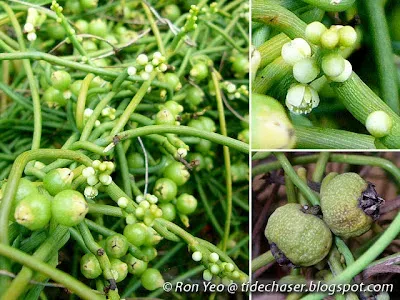
Description
Growing requirements
Psychotria sarmentosa is an evergreen woody climber belonging to the Rubiaceae family. In its native tropical habitats, it exhibits a semi-epiphytic growth pattern, commonly anchoring itself to forest trees to reach higher light levels within the canopy.
The plant is indigenous to Southeast Asia. Its cultivation requires a strictly controlled environment that mimics a tropical rainforest: consistent high humidity levels, temperatures ranging between 22°C and 28°C, and protection from any form of frost.
Optimal soil requirements involve a substrate that is rich in organic matter, highly porous, and possesses an acidic to neutral pH. A well-structured drainage layer is mandatory, as the plant is susceptible to root decay if water saturation is maintained for prolonged periods.
Regarding light, Psychotria sarmentosa thrives in dappled or filtered light conditions. Direct, high-intensity sunlight can damage the leaves, causing bleaching or necrotic spots, which reduces the commercial value of the plant biomass significantly.
Agricultural use of this species focuses on its pharmacological potential. It serves as a source for specialized phytochemical compounds used in laboratory research and potential medicinal formulations, requiring precise harvesting protocols to ensure the concentration of active substances.
Main diseases and pests
Common pests affecting this crop include spider mites, mealybugs, and scale insects. These organisms thrive in the warm, humid conditions that the plant prefers, making frequent monitoring and early intervention essential for crop health.
Fungal pathogens such as Rhizoctonia and various leaf spot fungi represent the primary disease threats. These pathogens often manifest when the canopy density is too high, leading to stagnant air pockets, which necessitates strategic pruning and airflow management.