
Psychotria ruelliaefolia
Psychotria ruelliaefolia
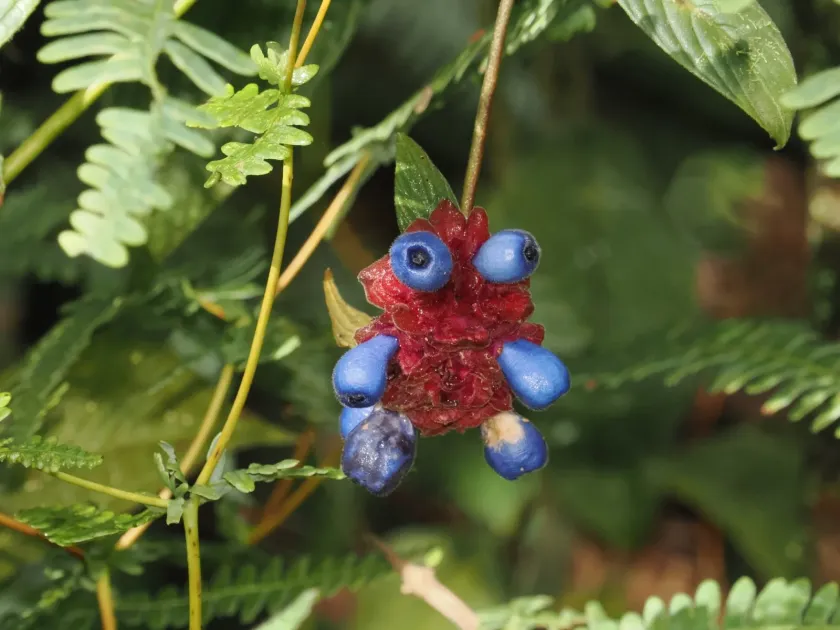
Description
Growing requirements
Psychotria ruelliaefolia is a perennial shrub belonging to the Rubiaceae family, native to the tropical forests of South America. It is recognized for its unique foliage and adaptation to the dense, shaded environments of the forest understory.
The crop thrives in well-draining, nutrient-rich soils with a slightly acidic pH level. It requires a stable climate with temperatures ranging from 20 to 28 degrees Celsius, as the species is highly sensitive to cold stress and frost.
High relative humidity, typically above 70%, is essential for the healthy development of this plant. In a controlled agricultural setting, it is best grown under filtered or diffused light conditions to prevent dehydration and leaf scorching.
Botanically, the plant is characterized by its opposite, lanceolate leaves and delicate terminal inflorescences. Its growth habit is typically shrubby, requiring space for lateral branch development during the vegetative cycle.
Cultural practices include consistent but moderate watering, avoiding waterlogged soil conditions. Fertilization with balanced organic or synthetic nutrients is recommended during the growing season to support biomass production.
Main diseases and pests
Common threats to Psychotria ruelliaefolia include root rot, often caused by overwatering and poor soil drainage which creates anaerobic conditions for the plant's root system.
Pests such as spider mites and scale insects frequently attack the leaves in environments where humidity levels are not consistently maintained at high levels.
Integrated pest management strategies should include regular monitoring of the foliage and the application of appropriate acaricides or insecticides when necessary.
Fungal pathogens may also emerge during periods of low air circulation, making proper ventilation in greenhouses or cultivation areas a primary preventive measure.
Sanitation practices, such as pruning damaged branches and removing fallen debris from the soil surface, are vital to preventing the spread of diseases within the crop population.