
Psychotria pubescens
Psychotria pubescens
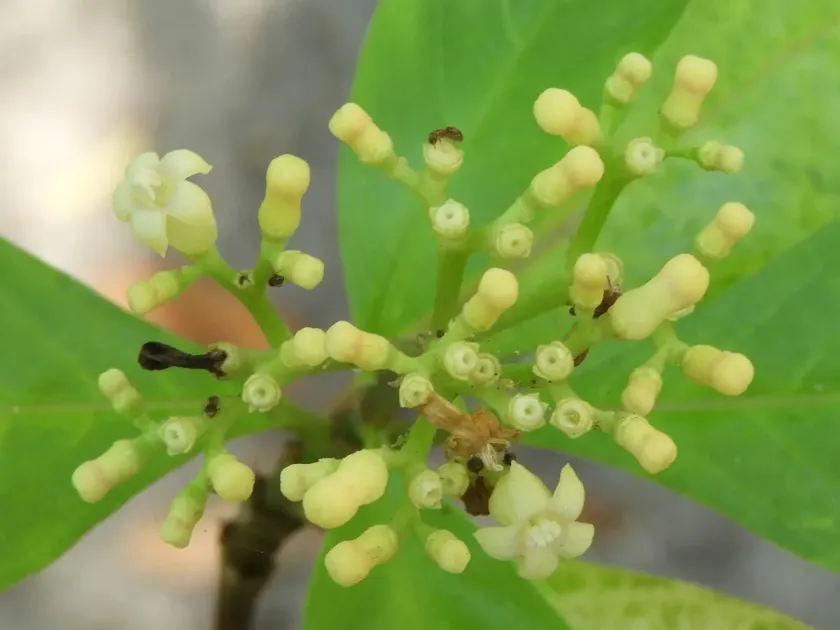
Description
Growing requirements
Psychotria pubescens is a distinct tropical shrub within the Rubiaceae family. Native to the humid rainforests of Central and South America, this plant is well-adapted to the understory conditions, typically thriving in shaded or partially shaded environments with high humidity.
Botanically, the species is recognized by its puberulent (hairy) foliage, which serves as a protective mechanism against moisture loss and herbivory. Like other members of its family, it produces characteristic inflorescences followed by small, fleshy drupes that contribute to its reproductive success.
The climate requirements for this species are strictly tropical; it demands consistently warm temperatures ranging between 22 and 28 degrees Celsius. Any exposure to temperatures below 15 degrees Celsius can cause significant stress, resulting in stunted growth or foliage loss.
Soil requirements involve a nutrient-rich, well-draining potting medium. A mixture of peat, perlite, and organic compost is usually recommended to ensure that the roots receive adequate aeration while maintaining the necessary hydration levels for healthy development.
Regarding cultural practices, Psychotria pubescens thrives under indirect bright light. While it tolerates shade, sufficient light is necessary for robust growth. Regular irrigation is required, ensuring the soil remains moist but never waterlogged to prevent root system compromise.
Main diseases and pests
Cultivation of Psychotria pubescens is often challenged by common greenhouse pests. Spider mites are the most frequent threat, especially in environments with low air humidity, which leads to leaf damage and desiccation if left unmonitored.
Mealybugs represent another significant concern, as they hide in the leaf axils and stems. Physical removal combined with horticultural soaps or systematic insecticides is the standard approach to managing these populations before they cause structural damage.
Fungal infections, such as leaf spot or root rot, typically occur due to excessive moisture and poor air circulation. These conditions allow pathogens to flourish, potentially leading to the rapid decay of the plant's vascular tissue if not treated immediately.
Nutrient imbalances can occur if the pH of the soil shifts outside the optimal range. This may result in chlorosis, where the leaves lose their green pigment, requiring an adjustment of soil amendments or the application of liquid fertilizer rich in trace minerals.
To maintain plant health, it is essential to implement strict sanitation protocols. This includes sterilizing tools before pruning and ensuring that any new plant material introduced to the environment is screened for signs of infestation or disease to prevent rapid spreading.