
Psychotria psychotrioides
Psychotria psychotrioides
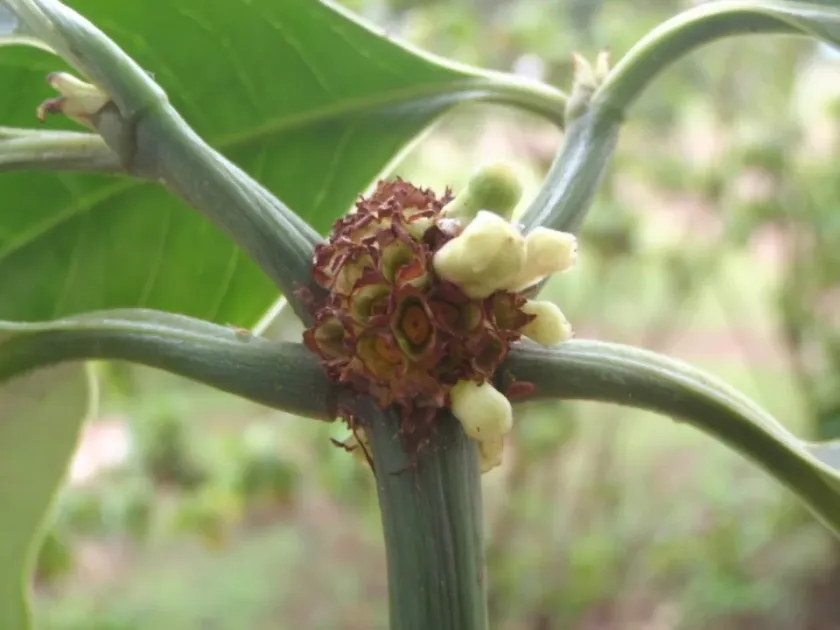
Description
Sowing dates
Propagation of Psychotria psychotrioides is typically achieved through seeds or semi-hardwood cuttings, which require specific environmental conditions to thrive.
Seed germination is most successful in a warm, humid environment with a substrate consisting of peat, coco coir, and perlite for optimal aeration.
It is recommended to use fresh seeds and maintain a constant temperature around 25°C to ensure a high germination rate within the expected timeframe.
For vegetative propagation, cuttings should be taken during the active growth phase, treated with a rooting hormone, and placed in a high-humidity propagation chamber.
Transplanting young seedlings into larger containers should be done carefully to avoid damaging the delicate root system, which is highly sensitive to disturbance.
Growing requirements
As a member of the Rubiaceae family, this species requires a stable tropical climate characterized by high atmospheric humidity and moderate year-round temperatures.
The preferred soil type for this crop is a nutrient-rich, acidic to neutral substrate with superior drainage capabilities to prevent waterlogging.
Light intensity plays a crucial role in the plant's development, as it is naturally adapted to the filtered light environment of the forest understory.
Regular irrigation is essential, ensuring the soil remains consistently moist but not saturated, as the roots are prone to oxygen deprivation in compacted soils.
Nutrient management involves applying balanced, water-soluble fertilizers during the peak growing season to support leaf production and overall health.
Main diseases and pests
The primary threats to Psychotria psychotrioides include various soil-borne pathogens that thrive in conditions of poor drainage and excessive moisture.
Fungal leaf spot diseases may occur in poorly ventilated environments where moisture remains trapped on the surface of the leaves for extended periods.
Pests such as scale insects and spider mites are known to infest the plant, particularly in glasshouse or indoor cultivation environments.
Regular monitoring of plant vigor and physical inspections of foliage are recommended to catch infestations or disease symptoms at the earliest possible stage.
Integrated pest management strategies, including the use of neem oil or targeted biological controls, are preferred to maintain the plant's long-term viability.