
Psychotria polycarpa
Psychotria polycarpa
Description
Growing requirements
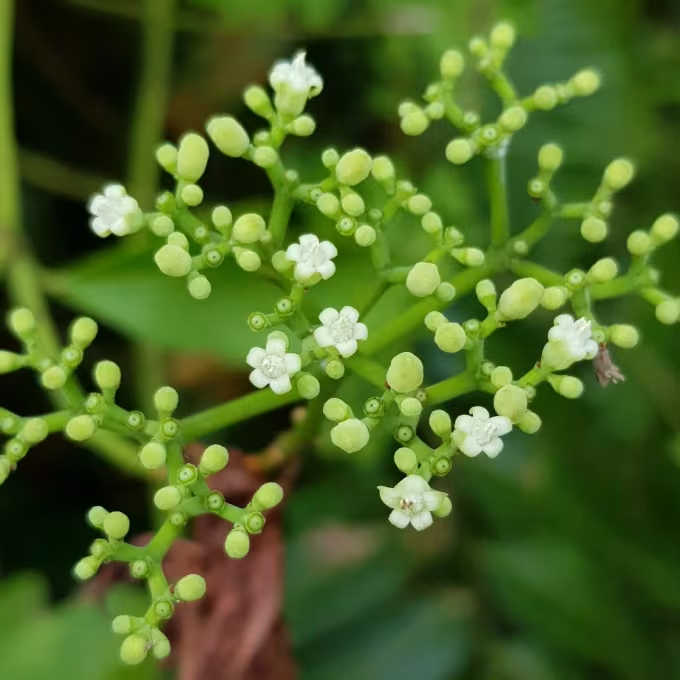
Psychotria polycarpa is a woody or shrubby plant species belonging to the large Rubiaceae family. This genus is widely recognized for its ecological diversity and is native to tropical environments where it thrives under specific microclimatic conditions typical of equatorial rainforests.
The natural habitat of the crop is characterized by high biodiversity and stable environmental conditions. To grow successfully, the plant requires filtered light, as direct exposure to intense sunlight can damage the sensitive foliage, which is adapted to the shade of larger trees.
Regarding soil requirements, the crop demands high-fertility, organic-rich substrates that are well-drained. The soil structure must be porous enough to allow root respiration while maintaining consistent moisture levels, as waterlogged conditions lead to rapid root decay.
Climatic requirements involve maintaining a constant warm temperature range. Psychotria polycarpa is sensitive to cold drafts and temperature drops, which typically inhibit metabolic activities and growth. It is strictly recommended to cultivate this species in environments where temperature stability is guaranteed throughout the year.
Agricultural management must prioritize high relative humidity and consistent irrigation protocols. In controlled environments, growers often implement specialized greenhouse systems to replicate the humid atmospheric conditions of the tropical forest, ensuring that the moisture balance in the root zone remains steady.