
Psychotria plurivenia
Psychotria plurivenia
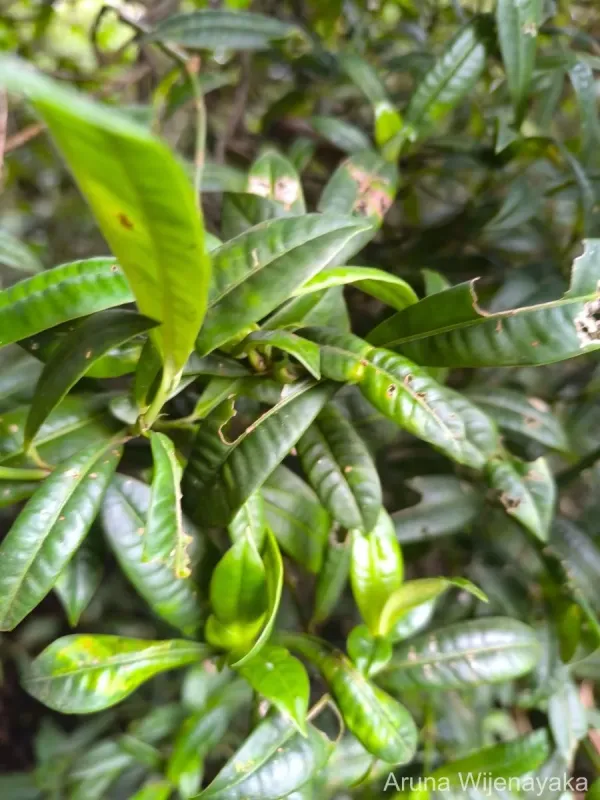
Description
Sowing dates
Propagation of Psychotria plurivenia is typically achieved through seed germination or stem cuttings. Seeds require a humid environment and a well-draining soil mix to break dormancy and emerge successfully.
In a controlled agricultural setting, sowing should take place in protected structures where temperature can be strictly maintained between 22 and 26 degrees Celsius. This mimics the tropical conditions necessary for early development.
Cuttings are often preferred for cloning desirable traits. Using semi-hardwood cuttings treated with rooting hormones ensures a higher success rate and faster establishment of the root system.
Proper spacing is crucial to prevent fungal issues in the nursery stage. Plants should be kept in well-ventilated trays with consistent moisture provided via misting or bottom watering systems.
Transplanting into final pots or beds should be done carefully to avoid root disturbance. A substrate rich in organic peat and perlite provides the necessary structure and nutrient retention for young plants.
Growing requirements
As a member of the Rubiaceae family, Psychotria plurivenia thrives in environments that replicate its native tropical forest habitat. This includes a preference for high relative humidity, ideally above 70 percent.
The soil should be acidic, nutrient-rich, and porous. Avoid compacted clay soils, as they prevent oxygen access to the roots and significantly hinder the plant's overall growth potential.
Light requirements are centered on diffused, bright light. Direct sunlight is generally harmful and can lead to bleaching and necrosis of the leaves, necessitating the use of light-filtering equipment.
Watering must be frequent but calculated. The goal is to keep the soil moist but never saturated. In agricultural production, automated drip irrigation systems are highly recommended to ensure consistency.
Temperature management is vital; this plant is sensitive to thermal fluctuations and should be kept away from cold drafts or sudden heat spikes that might compromise its physiological functions.
Main diseases and pests
Spider mites are the most common pests in indoor or greenhouse cultivation, thriving where air circulation is low. Regular monitoring and water-based leaf cleaning help mitigate these outbreaks.
Root rot, driven by Phytophthora or Pythium species, poses a major threat. It is almost always a result of poor drainage or overwatering, emphasizing the need for a strict moisture management protocol.
Mealybugs can cluster on the undersides of leaves and at the nodes, causing stunted growth. Manual removal combined with horticultural soaps is effective if the infestation is caught in its early stages.
Leaf spot diseases, often caused by fungi or bacteria, flourish during periods of high stagnant humidity. Proper spacing and airflow are the best non-chemical defenses against these pathogens.
Aphids occasionally target new, tender foliage. While typically not fatal, they can weaken the plant and serve as vectors for secondary viral infections, warranting immediate localized treatment.