
Psychotria ovoidea
Psychotria ovoidea
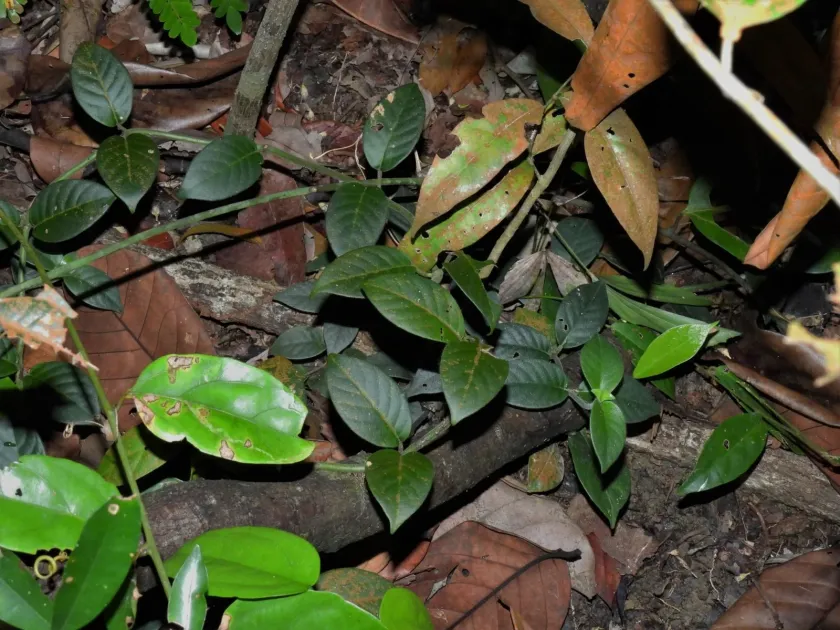
Description
Growing requirements
Psychotria ovoidea is a member of the Rubiaceae family, representing an evergreen tropical shrub native to rainforest environments. This plant is known for its distinctive ovate leaves and its preference for stable, humid climate conditions characteristic of tropical latitudes.
Botanically, the plant features a robust growth habit with opposite leaf arrangement. In agricultural or greenhouse settings, it is valued for its lush foliage and structural presence, requiring specific parameters for optimal development in controlled environments.
Climate requirements for this species are strict, necessitating constant temperatures between 22 and 28 degrees Celsius. The species does not tolerate sudden temperature drops, which can lead to metabolic stress and significant leaf drop if left unmanaged.
Soil composition must be highly porous to ensure efficient drainage while retaining necessary moisture. A substrate mix including peat moss, organic compost, and perlite is typically ideal to prevent compaction around the delicate root system of the shrub.
Light management is crucial, as Psychotria ovoidea thrives in bright but filtered light. Exposure to direct, intense tropical sun can result in leaf scorching and dehydration, requiring the use of shade cloth in professional greenhouse setups.
Main diseases and pests
The primary agricultural threats to Psychotria ovoidea include various fungal infections, particularly root rot, triggered by overwatering and poor soil aeration. Maintaining a consistent drying period for the top layer of substrate is essential for health.
Pest pressures often involve spider mites and mealybugs, which exploit low-humidity conditions. These pests proliferate rapidly on the undersides of the leaves, drawing energy from the plant and potentially vectoring viral diseases if not controlled promptly.
Integrated pest management protocols should be implemented, focusing on maintaining adequate air circulation throughout the foliage canopy. Pruning dense branches improves airflow and reduces the micro-habitats favored by common greenhouse pests.
Disease prevention also relies on sterile cultivation practices, including the use of disinfected pots and substrates. Early detection of leaf spots or discoloration is the most effective way to prevent widespread infection across a plantation.
Regular fertilization must be balanced to support growth without creating overly succulent tissues, which are more susceptible to aphid infestations and fungal attacks. Monitoring nutrient levels ensures the plant maintains its natural disease resistance.