
Psychotria nigra
Psychotria nigra
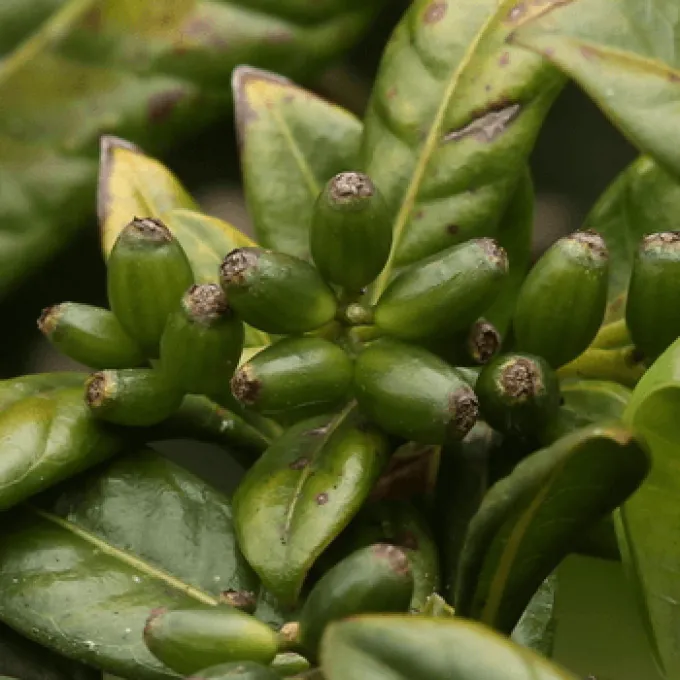
Description
Growing requirements
Psychotria nigra is a member of the Rubiaceae family, a diverse group of plants known for their distribution in tropical regions worldwide. This specific species thrives as an understory plant, reflecting its adaptation to low-light and high-humidity environments.
The climate requirements for this culture center on maintaining a tropical environment. It necessitates temperatures consistently between 22 and 28 degrees Celsius, as sudden cold snaps can lead to leaf drop and severe stress to the vascular system.
High humidity levels are essential for the survival of Psychotria nigra. When grown in artificial conditions, it requires a relative humidity of at least 70%, making it suitable for greenhouses or specialized indoor enclosures.
The soil requirements involve a well-draining, nutrient-rich substrate. A mix consisting of decomposed organic matter, perlite, and peat moss is ideal to ensure that moisture is retained without causing the roots to sit in waterlogged soil.
Light management is a nuanced aspect of its cultivation. While it naturally exists in deep shade, a balance of bright, filtered light is necessary to encourage healthy foliage development and to maintain its distinct morphological characteristics.
Main diseases and pests
The primary pests affecting Psychotria nigra include spider mites, which flourish in dry indoor environments. These microscopic pests target the underside of leaves, causing discoloration and eventual tissue death.
Mealybugs are another common threat, often settling in the axils of leaves. Due to their waxy coating, they can be difficult to remove once an infestation has become established, requiring systemic treatment.
Root rot, primarily caused by Phytophthora or Pythium species, remains the most lethal disease. It is almost always a result of poor drainage or overwatering, leading to the rapid decay of the root system.
Maintaining air circulation is a critical defense mechanism against fungal leaf spots. Stagnant air allows spores to settle and germinate on the leaf surfaces, especially in high-humidity setups.
Integrated pest management, including regular monitoring and the use of insecticidal soaps, is recommended to ensure the longevity of the plant and prevent severe damage to the foliage.