
Psychotria nervosa
Psychotria nervosa
Description
Growing requirements
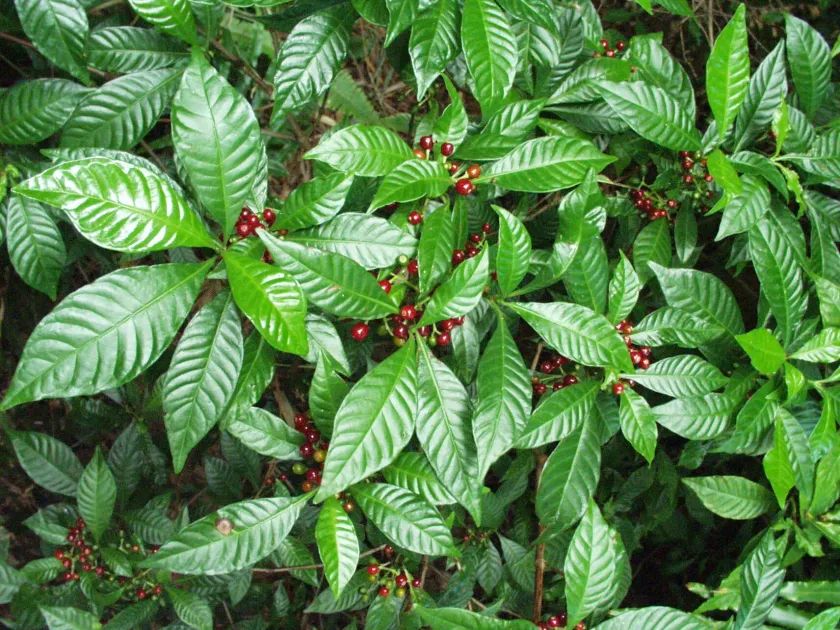
Psychotria nervosa, commonly known as the wild coffee plant, is a perennial evergreen shrub belonging to the Rubiaceae family. This species is highly valued for its striking, deeply veined foliage which creates a prominent textured appearance on the leaf surfaces.
The plant originates from the tropical regions of Florida, the Caribbean, and Central America. Its native habitat is characterized by warm, humid environments, making it suitable for protected cultivation in temperate zones or outdoor growth in tropical climates.
Successful cultivation requires soil that is rich in organic matter and maintains excellent drainage properties. A slightly acidic pH balance is ideal for supporting nutrient uptake and ensuring the plant develops vibrant, healthy green foliage throughout the year.
Environmental conditions are crucial; Psychotria nervosa thrives in bright, indirect light. Direct exposure to intense sun can scorch the leaves, while insufficient light may result in weak, elongated growth and reduced leaf density.
Agronomic management involves maintaining consistent soil moisture levels without allowing waterlogging. Regular fertilization with a balanced, water-soluble fertilizer during the growth phase supports structural integrity and vigorous development.
Main diseases and pests
The primary pests affecting Psychotria nervosa in controlled environments are spider mites, scale insects, and mealybugs. These pests thrive in dry air and can quickly colonize the undersides of leaves, causing discoloration and significant physiological stress.
Fungal pathogens such as root rot can occur if irrigation schedules are poorly managed. Ensuring the potting medium is well-aerated and providing a substantial drainage layer is fundamental to preventing the development of anaerobic conditions in the root zone.
Leaf spot diseases, often caused by bacterial or fungal infections, can manifest when humidity levels remain high while air circulation is stagnant. Proper spacing between individual plants is necessary to ensure adequate ventilation and prevent pathogen outbreaks.
Integrated pest management strategies should be employed, utilizing horticultural oils or biological controls to address infestations before they become critical. Monitoring for honeydew or webbing is an effective way to detect early signs of pest activity.
Consistent sanitation practices, such as removing fallen leaves and pruning damaged branches, are vital for maintaining plant hygiene. These simple measures reduce the inoculum levels of potential diseases and contribute to long-term crop health.