
Psychotria malayana
Psychotria malayana
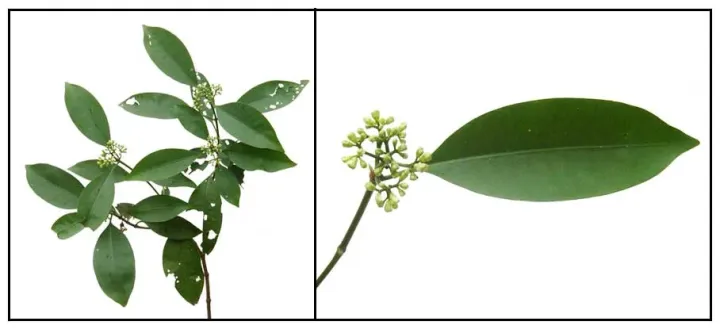
Description
Sowing dates
Propagation of Psychotria malayana is typically achieved through seed sowing or stem cuttings in a controlled greenhouse environment.
Seeds require a well-draining, nutrient-rich substrate and should be kept in a warm, humid environment to stimulate successful germination.
Optimal germination temperatures range between 24 and 28 degrees Celsius, often requiring the use of heating mats to ensure consistent soil temperature.
Cutting propagation involves using semi-hardwood stems, which are treated with rooting hormones before being placed in a perlite-based rooting medium.
Transplanting of seedlings should be done carefully once the root system has sufficiently developed to prevent transplant shock in the young plants.
Growing requirements
This species belongs to the Rubiaceae family and is native to the humid tropical forest habitats found in Southeast Asia.
The plant thrives in partial shade and requires filtered light, as direct exposure can damage the foliage and cause stunted growth.
Soil requirements focus on high organic matter content and a slightly acidic to neutral pH, combined with excellent drainage capabilities.
Maintaining a high ambient humidity, ideally above 70 percent, is essential for the healthy physiological development of the plant.
Consistent temperature management is crucial, as the species is highly sensitive to cold drafts and sudden drops in ambient thermal levels.
Main diseases and pests
Common pests affecting this crop include spider mites, mealybugs, and scale insects, which often colonize the underside of the leaves.
Fungal pathogens and root rot are prevalent when the soil remains consistently waterlogged or when air circulation around the canopy is poor.
Integrated pest management strategies, such as using horticultural oils or mild systemic insecticides, are recommended for controlling infestations.
Sanitation practices within the growing area are vital to minimize the risk of pathogen spread between individual plants.
Proper airflow and careful monitoring of irrigation schedules are the primary defense mechanisms against most biotic stresses in this culture.