
Psychotria mahonii
Psychotria mahonii
Description
Growing requirements
Psychotria mahonii is a member of the Rubiaceae family, characterized by its evergreen growth habit typical of tropical shrub species. Originally native to the mountainous forests of East Africa, this plant thrives in environments that provide consistent humidity and warm temperatures throughout the year.
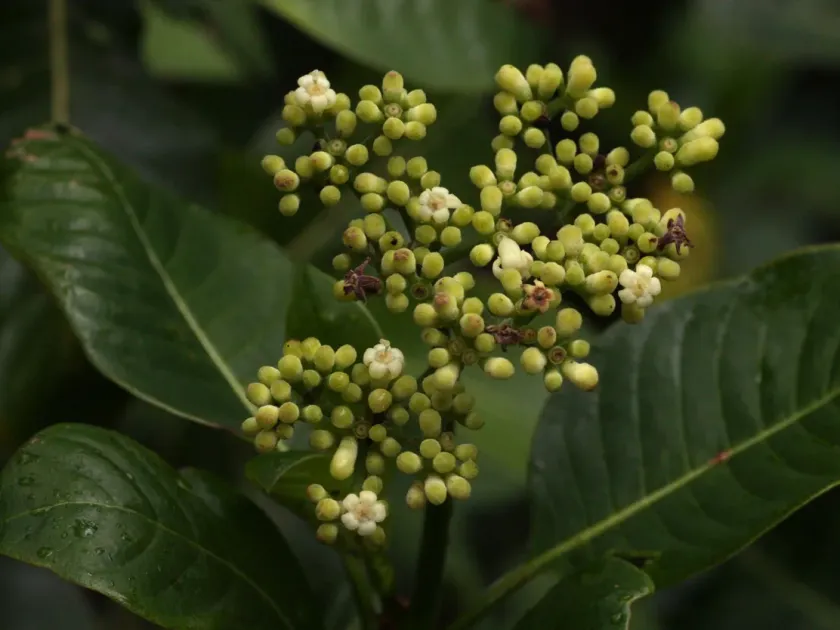
The botanical structure of the plant includes glossy, opposite leaves and dense terminal inflorescences. Its fruit, consisting of small fleshy drupes, provides a distinct aesthetic feature, making it a point of interest for researchers and tropical plant enthusiasts alike who study the biodiversity of the African tropics.
Cultivation requires strict adherence to temperature and humidity parameters. The species is highly sensitive to cold stress, requiring minimum temperatures above 20 degrees Celsius. Therefore, its cultivation is strictly limited to tropical regions or controlled greenhouse environments in more temperate climates.
Soil management is critical for the success of this crop. The ideal medium must be nutrient-rich, slightly acidic, and exceptionally well-drained. Growers often use a mix of organic compost and perlite to maintain the aeration necessary to prevent the root suffocation that the species is prone to.
In terms of usage, Psychotria mahonii is primarily utilized for its ornamental value in conservatory settings and specialized tropical landscapes. It is valued for its structured growth habit and its ability to act as a mid-story plant in naturalistic planting designs mimicking forest floors.
Main diseases and pests
Common pests encountered during the cultivation of this species include scale insects and spider mites. These organisms can quickly infest the undersides of leaves, causing structural damage. Regular inspections and the use of insecticidal soaps are recommended for effective pest management strategies.
Fungal pathogens represent a significant risk, particularly those affecting the root system. Overwatering is the most common cause of root rot in these plants. Maintaining a balance between sufficient soil moisture and adequate drainage is the primary defense against these debilitating botanical diseases.