
Psychotria luzoniensis
Psychotria luzoniensis
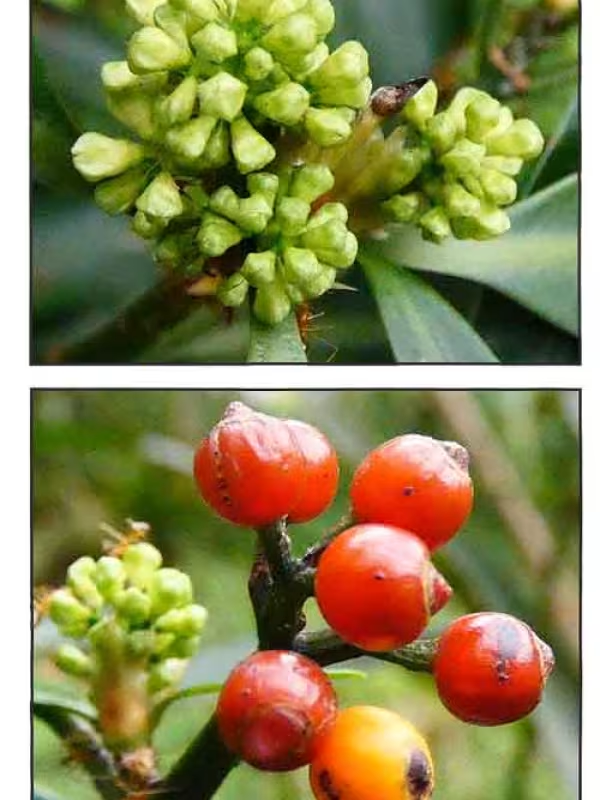
Description
Growing requirements
Psychotria luzoniensis is a perennial evergreen shrub belonging to the Rubiaceae family. Originating from the tropical forests of the Philippines and surrounding regions, it serves as a specialized component of the local forest understory vegetation.
The cultivation of this plant requires a stable, warm climate with high atmospheric humidity. It is strictly a tropical species, making it highly sensitive to cold snaps and requiring protection from temperature drops below 18-20 degrees Celsius.
The optimal soil for this plant is a well-draining, nutrient-rich substrate, typically peat-based with added bark or perlite to improve aeration. A slightly acidic pH is essential for the healthy uptake of iron and other critical nutrients.
Regarding light, the plant prefers bright, indirect light conditions. Direct midday sunlight should be filtered through mesh or canopy, as the leaves are prone to chlorosis or necrosis when exposed to high-intensity solar radiation.
Routine maintenance involves balanced watering schedules and careful monitoring of substrate moisture. Overwatering is the most common error in cultivation, often leading to rapid decline in the health of the root system.
Main diseases and pests
The primary threats to Psychotria luzoniensis are fungal pathogens, particularly those responsible for root and stem rot. These organisms flourish when soil moisture levels are excessive and airflow around the root collar is restricted.
Pest pressures are predominantly caused by sap-sucking insects like spider mites and scale insects. These pests thrive in dry environments and can severely stunt the plant's growth if left unmonitored during the active growth phase.
Management strategies involve integrated pest management (IPM) practices, emphasizing cultural control such as maintaining proper spacing and hygiene. Regular inspections of the undersides of leaves are crucial for early detection.
Chemical control should be used as a last resort, utilizing substances that do not harm the delicate leaf structure. Biological control agents, such as predatory mites, are often more effective for indoor or greenhouse environments.
Environmental stress, such as sudden humidity fluctuations, often acts as a precursor to disease. Maintaining consistency in the greenhouse environment is the most effective preventive measure against both pests and secondary infections.