
Psychotria helferiana
Psychotria helferiana
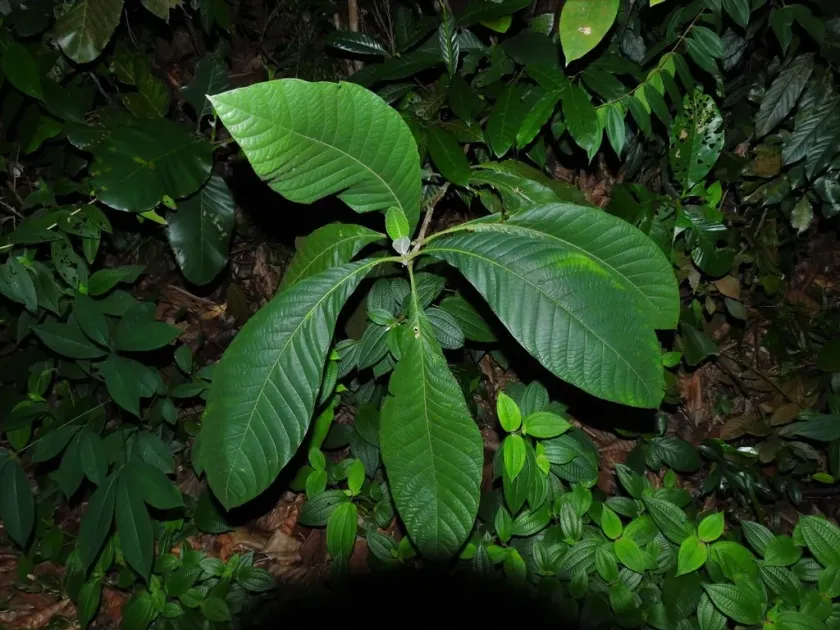
Description
Growing requirements
Psychotria helferiana is a notable species within the Rubiaceae family, originating from the tropical regions of Southeast Asia. It is naturally adapted to the dense, shaded understory of tropical rainforests.
To cultivate this species successfully, one must replicate its natural environmental conditions, characterized by high atmospheric humidity and warm temperatures. A stable environment between 22°C and 28°C is essential for maintaining consistent vegetative growth.
The substrate requirement includes a rich, well-draining soil mix that remains moist but never waterlogged. Incorporating organic matter such as peat or leaf mold helps emulate the nutrient-rich forest floor where these plants thrive.
Regarding light, this plant performs best under filtered or dappled sunlight. Direct, harsh sun exposure should be avoided at all costs, as it can cause chlorophyll degradation and scorch the foliage of the plant.
Routine care involves consistent irrigation and monitoring the moisture levels of the soil. As a tropical plant, it does not have a distinct dormancy period, meaning it requires steady care throughout the entire year to avoid physiological stress.
Main diseases and pests
Common phytosanitary issues include root rot, which typically stems from poor drainage or excessive watering. This condition is often fatal if not diagnosed early, as the root system loses its ability to absorb essential nutrients.
Pests such as spider mites and mealybugs are the primary enemies in greenhouse settings. These insects flourish when the surrounding air is too dry, making regular humidity control a vital aspect of preventive plant health management.
Fungal leaf spots can appear if air circulation is insufficient. To prevent this, it is recommended to maintain enough space between specimens, allowing air to move freely around the canopy, reducing the risk of fungal proliferation.
Chlorosis is another frequent issue observed in this crop, often caused by improper soil pH, which inhibits the uptake of iron and magnesium. Using balanced, chelated fertilizers can help mitigate these symptoms effectively.
The overall resilience of the plant is heavily dependent on the prevention of environmental stress. Regular inspections for early signs of pests, combined with proper hygiene and soil management, are the best methods to ensure a healthy crop.