
Psychotria gardneri
Psychotria gardneri
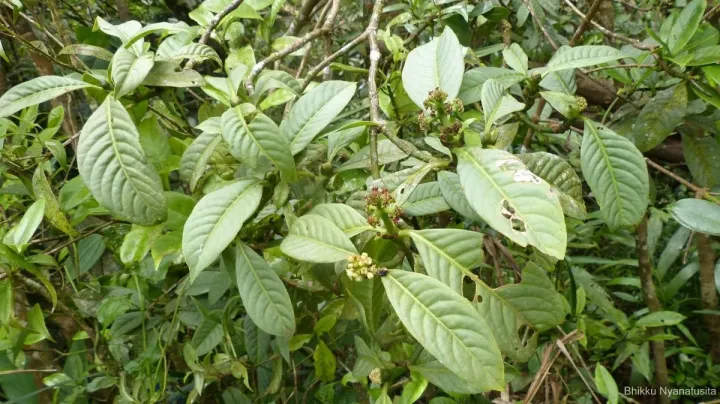
Description
Growing requirements
Psychotria gardneri is an evergreen shrub belonging to the Rubiaceae family. Originally found in the tropical forest regions of Sri Lanka, this plant thrives in warm, humid environments that replicate its native habitat under a canopy.
The cultivation requirements focus heavily on temperature stability. The plant prefers consistent temperatures between 22°C and 28°C. Cold drafts or sudden drops in temperature will cause significant stress, potentially leading to leaf drop or stunted growth.
Soil management is crucial for the health of Psychotria gardneri. A well-draining, slightly acidic substrate is required to prevent root suffocation. A mixture of peat, perlite, and decomposed organic matter provides the necessary aeration and moisture retention.
Lighting should be bright but indirect. Direct sunlight can scorch the delicate foliage, especially in greenhouse settings where light intensity is magnified by glass structures. Shading cloth is recommended to protect the plants during peak sunlight hours.
High relative humidity is essential for optimal growth. Ideally, moisture levels should remain above 70%. Regular misting or the use of automated fogging systems in a greenhouse environment ensures the leaves stay hydrated and healthy throughout the year.
Main diseases and pests
Spider mites are the most common pest threat for Psychotria gardneri, especially when ambient humidity is not adequately maintained. These pests colonize the undersides of leaves, leading to yellowing and severe wilting.
Fungal diseases, specifically root rot, pose a major risk if the irrigation regime is too heavy. Stagnant water in the container leads to hypoxic conditions in the root zone, which facilitates the growth of soil-borne pathogens.
Mealybugs can occasionally infest the plant, hiding in the leaf axils and stems. Their presence is often indicated by a white, cottony substance, which requires immediate spot treatment or the application of horticultural oils.
Poor ventilation can lead to the development of sooty mold, which grows on the honeydew excreted by insects. Improving airflow around the plants is an effective way to minimize the risk of such secondary infections.
Integrated Pest Management (IPM) practices, including the use of biological controls or targeted sprays, are recommended for maintaining plant health in commercial or hobbyist cultivation settings.