
Psychotria eminiana
Psychotria eminiana
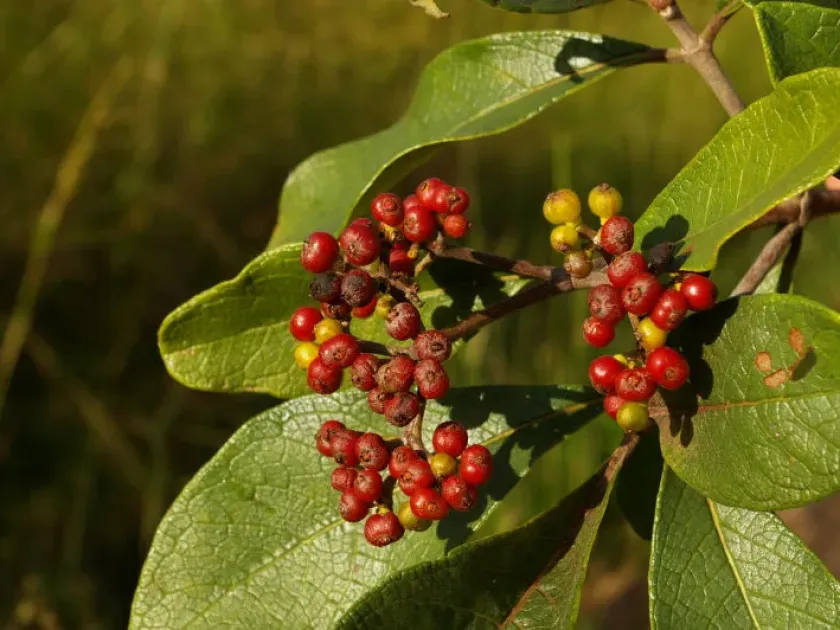
Description
Growing requirements
Psychotria eminiana is a notable member of the Rubiaceae family. Native to tropical regions of Africa, this plant is characterized by its lush evergreen foliage and specific growth habits in forest understories.
Botanically, it functions as a shrub that requires high ambient humidity to thrive. In a controlled agricultural or ornamental setting, it demands a consistently warm environment without exposure to frost.
Soil composition is critical for this species. It prefers a well-draining substrate rich in organic matter, which prevents the root system from becoming waterlogged, a common issue in artificial cultivation.
The plant grows best in dappled light conditions. Direct sunlight, especially in high-temperature environments, can cause leaf chlorosis or physical burning of the foliage, impacting overall plant vigor.
Agrotechnical practices should focus on maintaining a stable environment. Regular misting and adequate space for air circulation are essential to mimic the plant's natural ecological niche.
Main diseases and pests
Spider mites represent a primary pest threat for Psychotria eminiana, particularly in dry indoor environments where low humidity allows them to multiply rapidly across the leaves.
Mealybugs are another common challenge. They tend to congregate in the leaf axils, sucking the plant's sap and stunting the growth of new, tender shoots.
Root rot, driven by overwatering or compacted soil, is a frequent cause of plant mortality. Ensuring the substrate remains porous is the best defense against fungal pathogens.
Leaf spot diseases can develop if the environment lacks sufficient ventilation. These fungal infections appear as necrotic lesions and require prompt pruning and fungicidal treatment.
Integrated pest management, including regular sanitation and monitoring of the underside of the leaves, is highly recommended to sustain the health of this delicate tropical shrub.