
Psephellus trinervius
Psephellus trinervius
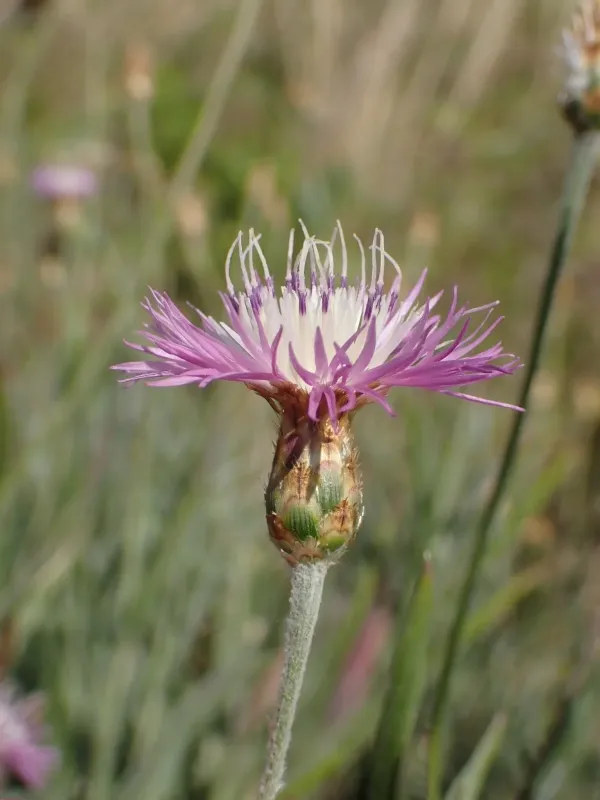
Description
Growing requirements
Psephellus trinervius is a perennial herbaceous plant classified within the Asteraceae family. Previously associated with the Centaurea genus, it is now formally recognized within the Psephellus genus, reflecting distinct evolutionary and morphological characteristics.
This species is native to mountainous regions, particularly in the Caucasus, where it thrives in rugged environments such as rocky slopes and alpine meadows. Its evolutionary history has made it highly adaptable to extreme climatic shifts and low nutrient availability.
The plant is distinguished by its unique leaf structure, characterized by three prominent veins. These structural adaptations, combined with dense pubescence on the stems and leaves, allow the plant to withstand high-altitude wind and cold temperatures efficiently.
Regarding soil requirements, Psephellus trinervius prefers well-drained, calcareous, or stony substrates. It does not tolerate stagnant water, as high moisture levels in the root zone can rapidly lead to physiological decline and fungal infections.
Optimal growth is achieved in sunny, open locations. Sufficient sunlight is crucial for the plant to maintain its structural integrity and achieve peak flowering, making it an excellent candidate for xeriscaping or rock garden designs.
Main diseases and pests
Fungal diseases represent the most significant threat to the health of this species. Conditions involving poor ventilation and excessive moisture foster the development of root rot and leaf spot pathogens, which can be devastating if left unmanaged.
Pests such as aphids are frequently observed, particularly in early summer. These insects concentrate on the tender terminal buds and developing flower heads, potentially causing stunted growth and reducing the overall decorative value of the plants.
Soil-borne pests, including various larvae, can inflict damage on the root system, weakening the plant's stability and ability to absorb nutrients. This makes the plant increasingly susceptible to secondary bacterial infections.
Improper cultivation practices, such as excessive fertilization or overcrowding, can exacerbate the impact of these threats. High nitrogen levels, in particular, encourage succulent growth that is more attractive to pests and more prone to disease outbreaks.
Integrated pest management strategies are recommended, focusing on maintaining appropriate plant spacing to ensure airflow. Regular inspections and the use of preventative environmental controls are the best ways to keep the population healthy and vigorous.