
Psephellus leucophyllus
Psephellus leucophyllus
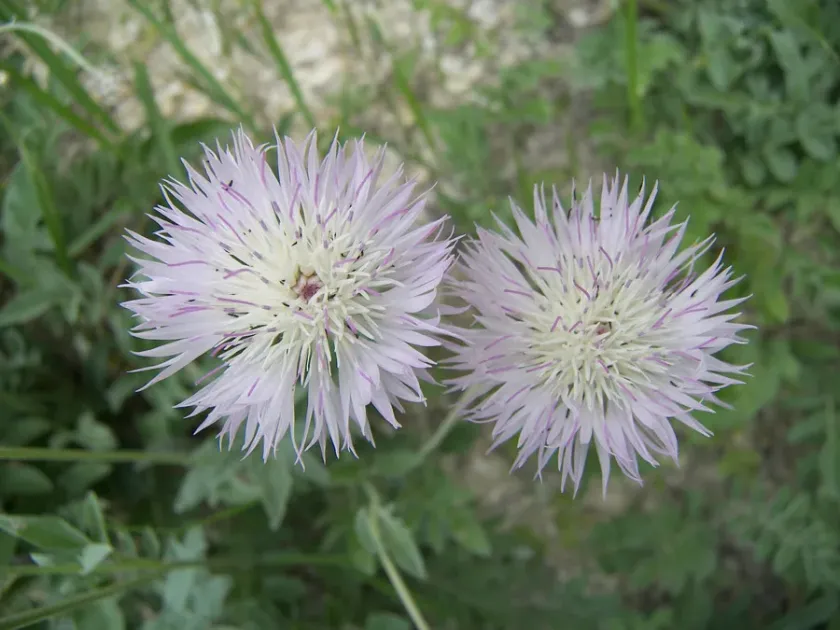
Description
Growing requirements
Psephellus leucophyllus belongs to the Asteraceae family. It is a perennial herbaceous plant known for its striking silver-white foliage and significant resilience, making it a valuable addition to both agricultural and ornamental landscaping projects.
The natural habitat of this species is characterized by dry, rocky slopes in the Caucasus region. This evolutionary background has endowed the plant with exceptional drought tolerance and the ability to thrive in soils that are considered unsuitable for many other crops.
For optimal growth, the species requires well-draining, sandy or stony soil. It cannot tolerate waterlogged conditions, which are the primary cause of plant failure in non-native environments. A neutral or slightly alkaline pH is preferred for best performance.
Exposure to direct, full sunlight is a strict requirement for this plant. The unique, light-reflecting hairs on the leaves serve as a protective mechanism against intense sun, and they require high light intensity to maintain the plant's characteristic silvery appearance.
Agronomic management is generally low-maintenance. The plant does not require heavy fertilization, as it is adapted to nutrient-poor substrates. Irrigation should be kept to a minimum, focusing only on the early stages of establishment during the first season.
Main diseases and pests
The most significant threat to Psephellus leucophyllus is root rot caused by stagnant moisture. Because the plant is adapted to dry conditions, excessive soil dampness leads to the rapid decay of the root system and eventual death of the entire plant.
Aphids are the most common pests affecting this crop, particularly during the active growth phase in spring. These insects cluster on tender flower buds and young shoots, weakening the plant and potentially stunting its growth if left untreated.
Spider mites may appear in hot, arid conditions if the plant is under high stress. Maintaining proper spacing between plants is essential to ensure adequate air circulation, which helps naturally mitigate the risk of mite colonization and other pest issues.
Fungal pathogens such as powdery mildew can occur if air humidity is too high or if the planting site lacks sufficient breeze. Selecting an open location with good natural airflow is the most effective preventative measure against these environmental diseases.
Sanitation practices, such as removing debris and dead foliage around the crown, are crucial for disease prevention. Maintaining a clean growing environment helps prevent the accumulation of spores and provides a healthy foundation for the plant to persist for many years.