
Psephellus dealbatus
Psephellus dealbatus
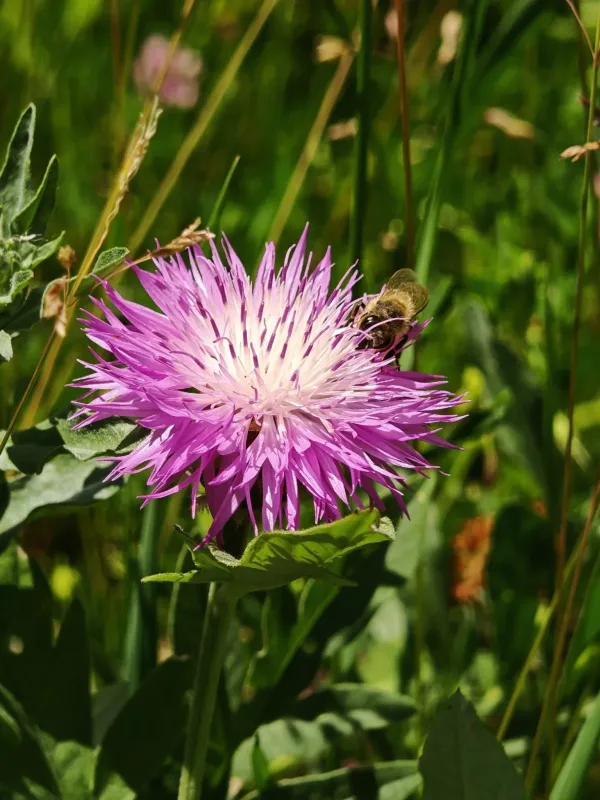
Description
Sowing dates
Psephellus dealbatus, formerly classified as Centaurea dealbata, belongs to the Asteraceae family. It is a hardy perennial valued for its silver-backed foliage and vibrant pink-purple flowers.
Seed propagation is the most common method for starting these plants. Sow seeds in prepared garden soil during autumn to allow for natural chilling, or in early spring after stratification.
When starting indoors, use a well-draining seed-starting mix. Maintain a temperature of approximately 18–20 degrees Celsius, and ensure the seedlings receive adequate light to prevent leggy growth.
Transplant the seedlings to their final outdoor position when all danger of hard frost has passed. Space them about 40–50 centimeters apart to provide sufficient room for healthy development.
Established plants can also be propagated by division in the early spring or autumn. This helps rejuvenate older clumps and encourages more vigorous growth in the following season.
Growing requirements
The plant thrives in full sun, requiring at least six to eight hours of direct light daily. Adequate sunlight is essential for maintaining the characteristic silver color of the leaves.
Well-draining, moderately fertile soil is ideal for Psephellus dealbatus. Avoid sites that remain waterlogged, as the roots are susceptible to decay in heavy, saturated substrates.
Once established, the plant exhibits good drought tolerance. However, during extended periods of heat and dry weather, supplemental irrigation will improve flower production and overall plant vigor.
Applying a light layer of mulch around the base of the plant helps retain moisture and suppresses weeds. Avoid piling mulch directly against the crown to prevent moisture-related issues.
Fertilizer is generally not required in high amounts. A balanced, slow-release fertilizer applied in early spring is usually sufficient to support the plant's nutritional needs for the year.
Main diseases and pests
Psephellus dealbatus is generally robust, but it can be affected by powdery mildew, especially in humid and poorly ventilated conditions. Improving air circulation around the clumps is key.
Crown rot can occur if the soil drainage is inadequate. Ensuring that the planting site has good drainage is the most effective preventative measure against this fungal disease.
Aphids might feed on the succulent new growth during the spring months. If the infestation is significant, insecticidal soaps or neem oil can be used to manage the pest population.
Slugs and snails can cause damage to foliage, particularly in young plants. Protecting new shoots with physical barriers can help prevent these pests from destroying the plant.
Regular sanitation, such as removing dead leaves and spent flower stems, reduces the risk of disease. Keeping the garden clean is a fundamental part of maintaining healthy plants.
Harvesting
This species is highly sought after for floral arrangements. The flowers have a decent vase life, and the unique foliage adds texture and interest to bouquets.
In landscaping, Psephellus dealbatus is an excellent choice for borders, rock gardens, and naturalistic planting schemes. It provides a striking contrast with deeper green foliage plants.
The plant is an efficient pollinator attractant. Its blooms are highly popular among bees, butterflies, and other beneficial insects, making it a valuable addition to eco-friendly landscapes.
Cut the flower stems back once blooming is finished to promote a tidy appearance. Some gardeners choose to leave the seed heads for winter interest and as a food source for birds.
In late autumn, cut back the entire plant to ground level after the foliage turns yellow. This practice helps the plant enter dormancy properly and ensures a fresh start next spring.