
Psephellus pulcherrimus
Psephellus pulcherrimus
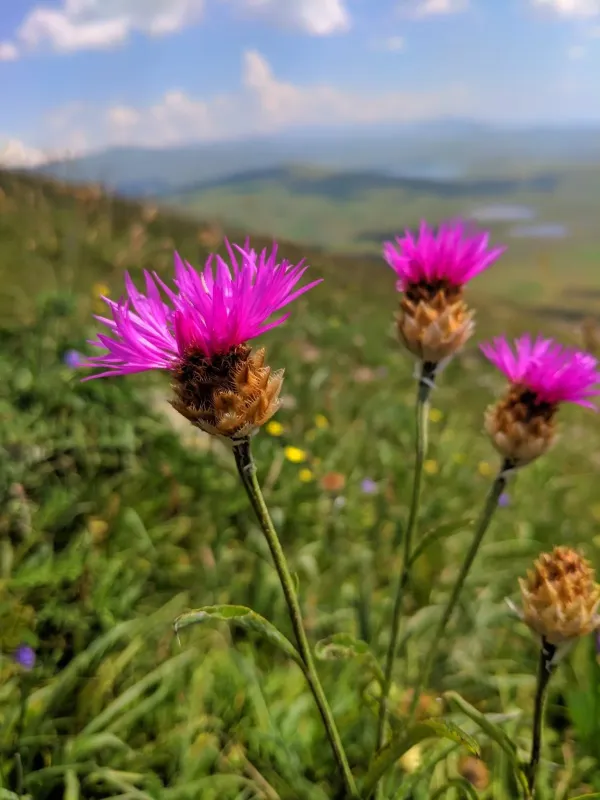
Description
Sowing dates
Psephellus pulcherrimus is a perennial plant belonging to the Asteraceae family. Propagation is primarily achieved through seeds, which require specific conditions for successful germination.
The optimal sowing time is in early spring once the danger of frost has passed. Seeds should be sown at a shallow depth, barely covering them with soil, as they require light to germinate effectively.
For starting seeds indoors, use a light, well-draining seed-starting mix. Maintaining a stable temperature between 18 and 22 degrees Celsius is essential for uniform emergence of seedlings.
Once seedlings have developed two sets of true leaves, they can be transplanted to their permanent location. Proper spacing of 30-40 centimeters between plants is recommended to ensure adequate airflow.
In warmer regions, seeds can be sown directly into the soil during autumn. This mimics natural environmental cycles and often results in more robust plants in the following spring season.
Growing requirements
This species thrives in full sun, making it ideal for open, bright areas. Insufficient sunlight will lead to weak stems and a significant reduction in flower production throughout the growing season.
The plant is highly adaptable to various soil types but prefers well-drained, slightly alkaline or neutral soils. It will not tolerate waterlogged conditions, which lead to root rot.
Psephellus pulcherrimus is remarkably drought-tolerant once established. Supplemental watering is only required during prolonged dry spells; otherwise, moderate moisture is sufficient for healthy growth.
The plant is hardy and capable of surviving cold winter temperatures without special protection in many regions. It is well-suited for temperate climates with distinct seasonal changes.
Routine care involves removing weeds around the base of the plant and performing a light soil loosening to improve oxygen exchange in the root zone without damaging the superficial root system.
Yield
The primary agricultural and horticultural value of this plant lies in its decorative inflorescences and attractive silvery foliage. It is highly valued in the floriculture industry for cut flower arrangements.
Well-established plants produce a high volume of flowers from mid-summer until late August. Yield can be maximized by ensuring the plants have adequate nutrient levels during the vegetative phase.
The plant is a long-lived perennial, capable of providing consistent flower yields for several years without needing to be divided or replanted, which makes it a sustainable ornamental crop.
It also functions as an excellent honey plant, attracting bees and beneficial insects to the farm or garden, which improves the overall health and productivity of the surrounding ecosystem.
For commercial growers, the aesthetic appeal of the dried inflorescences provides an additional revenue stream, as the plant maintains its structural integrity and color well after drying.
Main diseases and pests
The main threats to Psephellus pulcherrimus are fungal diseases, particularly when air circulation is poor or humidity levels are too high. Powdery mildew is the most common pathogen encountered.
To prevent disease spread, it is crucial to avoid overhead irrigation and ensure that plants are spaced correctly to allow for rapid drying of the foliage after rainfall.
Aphids and spider mites are the most frequent insect pests. These pests can rapidly multiply during hot and dry weather, damaging the plant by feeding on its sap.
Integrated pest management, including the use of neem oil or insecticidal soaps, is effective in controlling these outbreaks without causing harm to beneficial pollinators in the area.
Regular monitoring of the planting site is the best strategy to identify and address potential threats before they reach an economic damage threshold for the crop.
Harvesting
For fresh cut flower production, harvest the inflorescences when the flowers are partially open. This stage ensures a longer vase life and maintains the structural strength of the stems.
If the intention is to use the plant for dried compositions, harvest the flowers when they are fully open. Hang them upside down in a dark, dry, and well-ventilated space to preserve their color.
Seed collection should be performed when the flower heads have turned brown and are starting to dry out naturally on the plant. Harvest during dry weather to prevent moisture buildup.
At the end of the growing season, prune the plant back to about 5-10 centimeters from the ground level to prepare the root system for winter dormancy and spring regrowth.
Store cleaned seeds in a cool, dark, and dry environment. With proper storage, the germination rate remains high for up to two years, ensuring future successful planting cycles.