
Psephellus hypoleucus
Psephellus hypoleucus
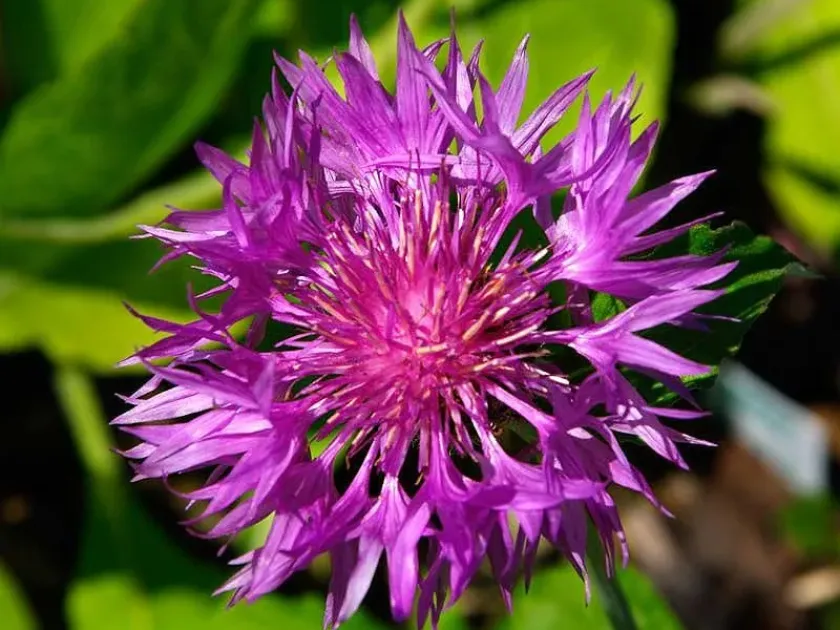
Description
Growing requirements
Psephellus hypoleucus is a perennial herbaceous plant belonging to the Asteraceae family. It is native to the mountainous regions of the Caucasus, where it thrives in rugged, alpine environments.
The crop prefers locations with full sun exposure and well-drained soil types. Its biological nature allows it to tolerate poor, rocky substrates where other crops might struggle to establish a root system.
Water requirements are relatively low; the plant is highly adapted to dry conditions and is susceptible to root rot if excessive moisture accumulates in the soil during the dormant season.
Climate adaptability is one of its primary strengths, as it demonstrates excellent winter hardiness due to its evolutionary origin in high-altitude habitats characterized by significant temperature fluctuations.
The morphology of the plant includes distinct silver-gray pubescence on the underside of the foliage, which acts as a protective layer against excessive water loss and high solar radiation.
Harvesting
In terms of agricultural and horticultural use, Psephellus hypoleucus is primarily grown as an ornamental plant for rock gardens and xeriscaping, providing seasonal beauty with its distinct flowers and foliage.
Seed harvesting should be performed after the flower heads have fully dried and matured, which usually occurs toward the end of the flowering cycle during late summer.
Maintenance involves routine deadheading of spent blossoms, which preserves the plant's aesthetic value and redirects energy reserves back into the roots for better growth in the following season.
When intended for use in dried flower arrangements, the stems should be cut early in the development of the inflorescence and hung in a dark, ventilated space to preserve their structural integrity.
Care should be taken during field operations to avoid compaction of the soil surrounding the base of the plant, as good aeration is critical for the long-term health of this species.