
Psephellus caucasicus
Psephellus caucasicus
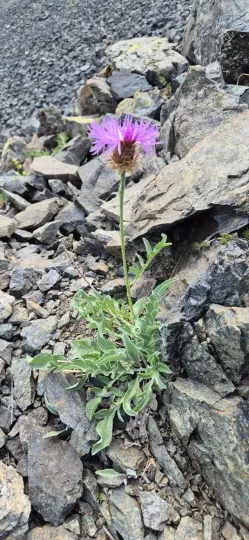
Description
Sowing dates
Psephellus caucasicus belongs to the Asteraceae family and is recognized as a hardy perennial. Propagation is primarily achieved through seeds or the division of rhizomes, making it a sustainable choice for garden landscapes.
Seeds should be sown in early spring when the soil temperature consistently reaches 10-12 degrees Celsius. Alternatively, autumn sowing is highly effective, as the natural cold cycle promotes germination in the following season.
When planting, ensure seeds are covered with 1-2 centimeters of soil to protect them from environmental fluctuations. Proper spacing, typically 30-40 centimeters apart, is essential to allow for healthy airflow and root development.
Rhizome division is best performed during the plant's dormancy phase in early autumn or early spring. This method ensures the retention of the parent plant's characteristics and promotes rapid establishment.
Using indoor trays for starting seedlings can improve success rates, especially in colder climates. Once the risk of severe frost has passed, young plants can be successfully transplanted to their permanent locations.
Growing requirements
This species thrives in well-drained, fertile loam soils with a neutral pH level. Proper drainage is the most critical factor for success, as waterlogging is detrimental to the plant's health and longevity.
As a sun-loving plant, Psephellus requires full exposure to sunlight to bloom effectively. Locations that receive at least 6-8 hours of direct light daily will produce the most vibrant and strong-stemmed flowers.
While the plant shows good drought tolerance once established, consistent soil moisture during the budding stage is recommended. Water should be applied at the base of the plant to avoid wetting the foliage unnecessarily.
Soil fertility can be maintained with periodic applications of balanced mineral fertilizers during the spring growth flush. Avoid excessive nitrogen, which can lead to rapid but structurally weak vegetative growth.
Mulching around the base of the plant can help regulate soil temperature and moisture, providing an extra layer of protection during hot summer months and preventing excessive weed encroachment.
Main diseases and pests
Fungal pathogens such as powdery mildew and root rot are the primary threats, especially in areas with high humidity or poor soil drainage. Preventive measures include ensuring good spacing between individual plants.
Insects like aphids and spider mites can damage the plant by feeding on its sap, which often leads to discolored leaves and stunted growth. Monitoring the underside of leaves during the peak of summer is advised.
Integrated pest management strategies are effective for keeping these plants healthy. Applying appropriate fungicides when symptoms first appear can save the stand, but it is better to maintain good cultural practices first.
Insecticide use should be targeted and performed in the early morning or evening to minimize harm to beneficial pollinators. Always follow the manufacturer's guidelines regarding application rates and frequency.
Keeping the cultivation area free of debris and weeds serves as a crucial preventive measure. This sanitation reduces the overwintering capacity for many common pests and diseases that threaten the crop.