
Psephellus declinatus
Psephellus declinatus
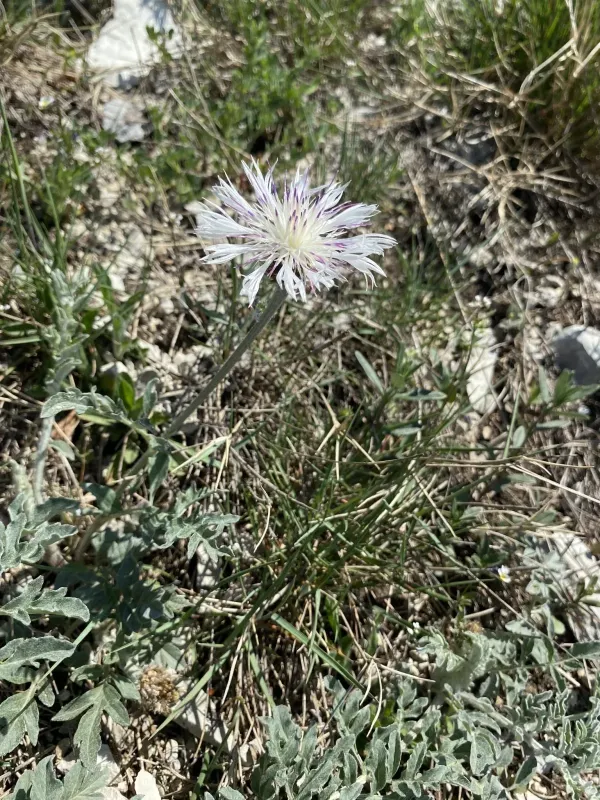
Description
Growing requirements
Psephellus declinatus is a perennial herbaceous plant belonging to the Asteraceae family. Known for its resilience, this species typically inhabits rocky slopes and steppe areas, which has shaped its biological ability to survive in harsh, low-nutrient environments.
When cultivated, the plant requires well-drained, alkaline, or neutral soil. It thrives in gravelly or sandy substrates that prevent water stagnation, as the root system is highly susceptible to rot if exposed to persistent moisture in heavy clay soils.
The species is strictly heliophilous, meaning it demands full sunlight to maintain its structural integrity and bloom successfully. In agricultural and horticultural settings, it should be placed in areas with unobstructed light exposure throughout the majority of the day.
Regarding climate, Psephellus declinatus is highly adapted to continental conditions, exhibiting high tolerance to both summer drought and winter cold. Its physiological mechanisms allow it to remain dormant during unfavorable periods, making it a low-maintenance perennial.
Its primary use is in landscaping, specifically in rock gardens and xeriscaping. Because of its silvery-green foliage and unique floral structure, it serves as an excellent ground cover for dry, neglected sections of the landscape that require minimal human intervention.
Main diseases and pests
Fungal pathogens, particularly powdery mildew, represent the most common threat to Psephellus declinatus. This infection is typically triggered by high relative humidity combined with poor airflow, which allows fungal spores to germinate on the foliage.
Pests such as aphids and spider mites are frequent invaders. These insects extract sap from the developing buds and leaves, often leading to necrosis or leaf curl, which can drastically reduce the aesthetic value of the plant during the mid-summer period.
Root decay remains a significant risk factor if the plant is grown in overly compacted soil. This physiological problem often stems from poor drainage, causing the root system to suffer from hypoxia, which leads to total plant collapse if not corrected.
Effective management strategies include ensuring proper spacing between plants to maximize air circulation. Preventive measures involve avoiding overhead irrigation, which minimizes the contact of water with the foliage and reduces the risk of fungal outbreaks.
If an infestation occurs, integrated pest management (IPM) is recommended. This involves utilizing biological controls or targeted insecticides that specifically address the presence of sap-sucking insects without damaging the plant's natural structure or its pollinator companions.