
Psephellus simplicicaulis
Psephellus simplicicaulis
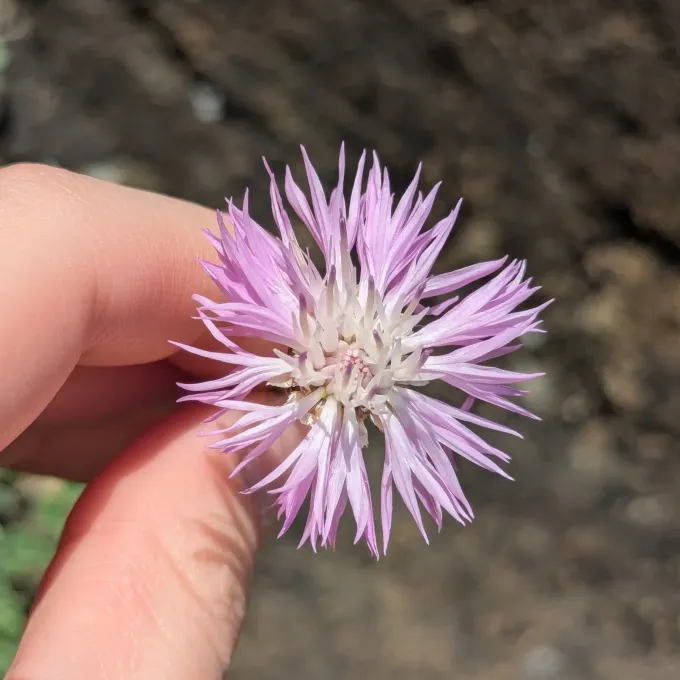
Description
Growing requirements
Psephellus simplicicaulis is a perennial herbaceous plant belonging to the Asteraceae family. It is native to the rocky slopes and mountainous regions, where it has evolved to thrive in harsh, dry environments.
The plant requires well-drained, lime-rich soil to reach its full potential. It is highly drought-tolerant, utilizing its specific root structure to access moisture stored deep within the soil profile during dry periods.
Full sun exposure is crucial for the healthy development of Psephellus simplicicaulis. Inadequate light levels lead to etiolation and a significant decrease in the plant's natural resistance to environmental stressors.
Botany-wise, the species is distinguished by its simple stems and typical Asteraceae flower heads. Its leaves often exhibit a layer of pubescence, a strategic adaptation designed to minimize water loss and protect against extreme UV radiation.
Proper cultivation involves avoiding heavy clay soils that retain excessive water, as the species is highly susceptible to crown rot in stagnant moisture. Excellent drainage is the primary requirement for successful long-term growth.
Main diseases and pests
The main threats to this plant are fungal infections, particularly root rot, which develop when soil conditions remain too damp for extended periods. Maintaining correct soil moisture levels is the most effective preventative measure.
Pests such as aphids may occasionally colonize the soft, young tissues of the plant, especially in the spring. Early detection is key to managing populations before they impact the overall plant health.
Weed management is vital, as weeds can increase the humidity around the plant base and compete for essential nutrients. Keeping the area around the base clean helps ensure good air circulation and promotes plant vigor.
Spider mites can become a nuisance during extremely hot and dry spells. Periodic inspection of the leaf undersides allows for early intervention, though severe infestations are rare if the plant is healthy.
The use of chemical controls should be a last resort. Instead, prioritizing site selection and environmental control creates a more sustainable and healthy growth cycle for the Psephellus simplicicaulis.