
Wooly Premna
Premna tomentosa
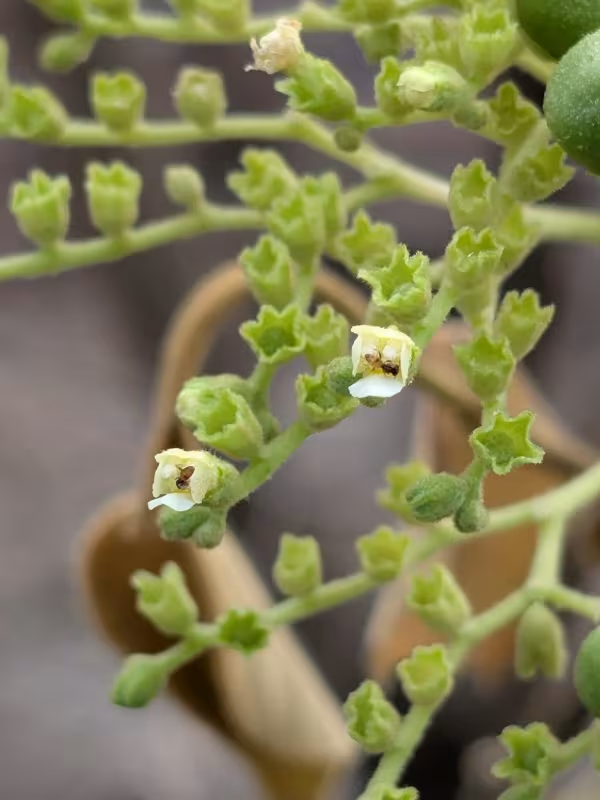
Description
Growing requirements
Wooly Premna (Premna tomentosa) is a significant species within the Lamiaceae family. This tree species is recognized for its dense, hairy foliage and robust growth habit, often reaching considerable heights in its natural tropical habitat throughout Southern Asia.
The plant originates from the tropical regions of India and Southeast Asia. It thrives in diverse environmental conditions, typically found in secondary forests, and shows high adaptability to varying soil structures, which makes it a resilient candidate for local agroforestry.
Optimal growth conditions require a warm, humid climate without extreme cold fluctuations. Providing ample sunlight is crucial for the photosynthesis process, while soil requirements center on well-draining textures to ensure root health and prevent oxygen deprivation in the rhizosphere.
Agrotechnical management involves careful monitoring of soil moisture during the establishment phase. While mature trees exhibit significant drought tolerance, maintaining consistent hydration levels in the early years significantly accelerates biomass accumulation and wood quality.
The wood of Premna tomentosa is highly regarded for its durability and structural strength, finding utility in local construction and cabinet making. Beyond its physical attributes, the plant is extensively documented in traditional medicine for its anti-inflammatory properties.
Main diseases and pests
Primary threats to the health of this culture include root rot pathogens that proliferate in poorly drained soils. Protecting the plant from excessive waterlogging is a fundamental agricultural practice for maintaining productive and healthy stands.
Pest pressures primarily include leaf-eating larvae and certain sap-sucking insects during the wet season. Implementing a structured monitoring program and utilizing integrated pest management strategies are essential to mitigate potential yield losses and tree mortality.