
Premna microphylla
Premna microphylla
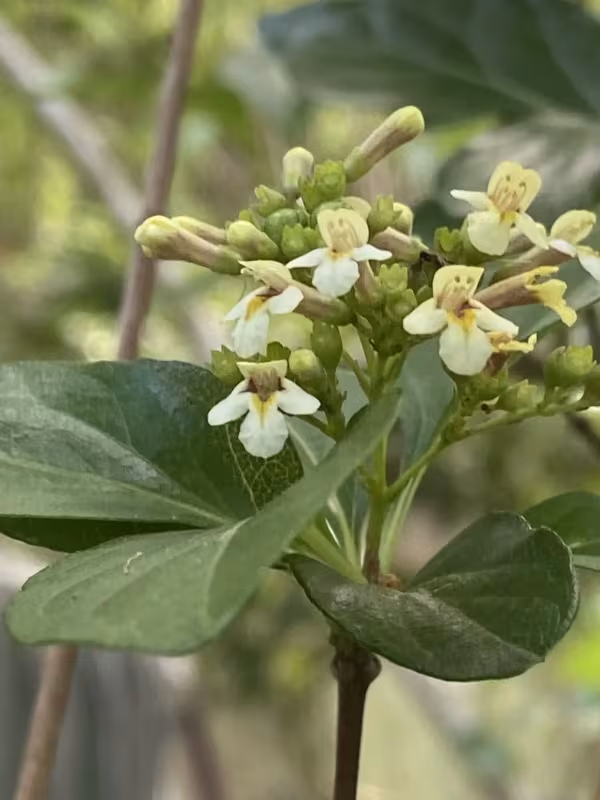
Description
Sowing dates
Propagation of Premna microphylla is primarily achieved through stem cuttings during the spring season. Cuttings should be taken from healthy, disease-free mother plants and placed in a rooting medium consisting of peat and perlite for optimal drainage.
Maintaining a high level of ambient humidity is critical during the rooting process. Greenhouse conditions with a stable temperature range of 18–22 degrees Celsius significantly increase the percentage of successful root development.
While seed propagation is possible, it is rarely used in commercial farming due to the long stratification period required. If seeds are used, they must be sown in a sterile substrate and kept consistently moist until germination occurs.
When preparing the field for transplantation, it is essential to ensure the soil is well-aerated and enriched with organic compost. Spacing should be determined by the intended final size of the shrub, allowing for adequate airflow between plants.
Young plants should be carefully monitored after transplantation. Providing temporary shade and consistent watering during the initial establishment phase ensures strong root systems and faster development into mature shrubs.
Growing requirements
Premna microphylla thrives in subtropical climates, requiring consistently warm temperatures for its vegetative phase. The plant is sensitive to frost and must be protected in regions experiencing cold winter temperatures.
Soil requirements for this species include excellent drainage and moderate fertility. The plant prefers slightly acidic to neutral soil pH. Waterlogged conditions are detrimental to the roots and should be avoided at all costs.
Light exposure is a crucial factor for growth. While the plant loves light, intense direct sunlight during peak summer hours can scorch the foliage. Partial shade or filtered sunlight is considered the ideal environment.
Regular irrigation is necessary to keep the soil moisture levels consistent, especially during peak growth seasons. However, the surface of the soil should be allowed to slightly dry out between waterings to prevent root-related issues.
Balanced fertilization programs, applied during the active growth period, support foliage production and overall health. Slow-release granular fertilizers or liquid organic extracts are often preferred for sustainable cultivation.
Main diseases and pests
Common pests affecting Premna microphylla include spider mites and scale insects. These pests can cause significant damage to the plant by extracting sap from leaves and stems, leading to weakened growth and yellowing foliage.
Fungal diseases, such as powdery mildew, often appear in environments with poor air circulation or high humidity. Pruning crowded branches is an effective cultural practice to improve aeration and mitigate disease risk.
Root rot, typically caused by Phytophthora or Pythium species, is a serious threat in heavy, compacted soils. Proper drainage and responsible water management are the primary defenses against these soil-borne pathogens.
Physiological disorders, such as iron chlorosis, can occur if the soil pH becomes too high. Regular soil testing and the application of chelated iron can prevent or correct these nutrient deficiencies effectively.
A comprehensive integrated pest management (IPM) strategy is recommended to maintain the health of the crop. This involves regular monitoring, manual removal of pests, and targeted use of eco-friendly biological control agents.
Harvesting
Harvesting Premna microphylla is primarily focused on the foliage, which is utilized for its aromatic and potential pharmacological properties. Harvesting should occur during the peak growth season when leaf vitality is at its maximum.
Selective harvesting practices involve removing only the healthy, fully developed leaves. This ensures that the plant retains enough photosynthetic capacity to continue its development and growth throughout the season.
Post-harvest handling is critical to preserving the plant's quality. Leaves should be dried in a controlled environment, away from direct sunlight and excessive heat, to retain their essential oils and chemical integrity.
Storage of the processed leaves requires cool, dry, and dark conditions. Using airtight containers helps prevent the loss of moisture and volatile aromatic compounds, maintaining the quality of the harvested product for longer durations.
For applications involving the roots or woody parts of the shrub, harvesting is conducted with caution to avoid exhausting the plant population. Sustainable harvesting methods ensure that the crop remains productive over multiple seasons.