
Premna cordifolia
Premna cordifolia
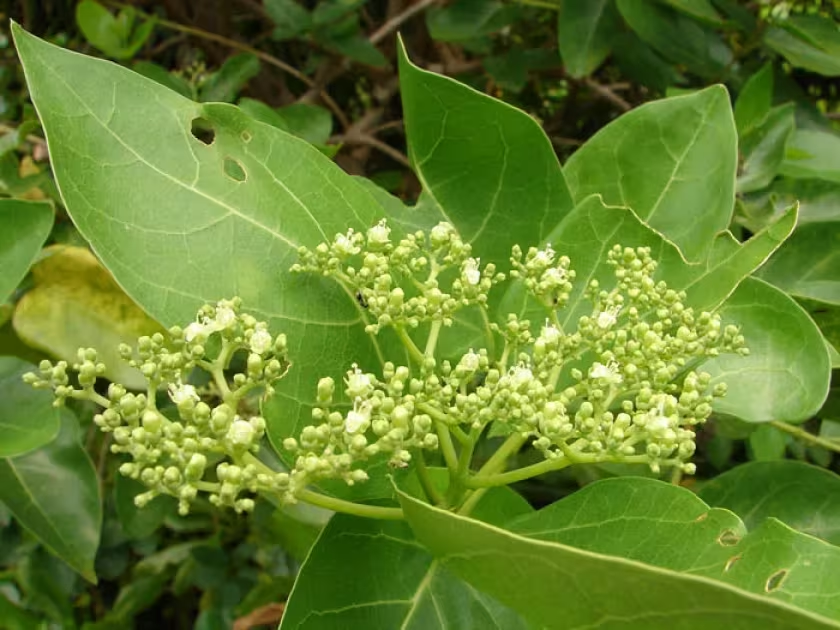
Description
Sowing dates
Premna cordifolia is a fast-growing shrub or small tree belonging to the Lamiaceae family. It is widely recognized in tropical regions for its medicinal properties and its use in traditional culinary practices, particularly as a flavorful herb.
Propagation is most effectively achieved through stem cuttings taken from healthy, semi-hardwood stems. These cuttings should be planted in a well-draining medium and kept under high humidity to ensure successful rooting within a few weeks.
If growing from seeds, it is necessary to harvest them when fully mature and sow them immediately, as they lose viability relatively quickly. Seedlings should be kept in a protected environment until they develop a strong root system.
The optimal planting density should allow for proper air circulation to prevent fungal buildup. In agricultural settings, spacing plants at least 1.5 to 2 meters apart ensures that each plant receives sufficient resources and light.
Young plants require consistent moisture and protection from direct, harsh sunlight until they are well-established. Once they reach a height of 30-40 cm, they can be transplanted to their final location in the field.
Growing requirements
As a tropical species, Premna cordifolia thrives in warm, humid conditions. It requires temperatures consistently above 20 degrees Celsius and is highly sensitive to frost, which can cause severe damage or death to the plant.
The ideal soil for this crop is rich in organic matter, slightly acidic, and loamy. Good drainage is non-negotiable; while the plant enjoys moisture, it will not survive in waterlogged soil for extended periods.
Sunlight requirements are moderate to bright. Full sun is acceptable if the humidity remains high, but in drier climates, partial shade is necessary to prevent the scorching of the delicate, heart-shaped leaves.
Regular irrigation is vital during the dry season. The use of mulch around the base of the plant can help retain soil moisture and reduce the frequency of watering, while also suppressing weed growth.
Nutritional needs are met through periodic applications of compost or balanced NPK fertilizers. Over-fertilization should be avoided, as it may lead to excessive vegetative growth at the expense of leaf quality and essential oil concentration.
Main diseases and pests
Pest management for Premna cordifolia primarily involves monitoring for common tropical pests like whiteflies and mealybugs. These insects can be controlled through regular inspection and the application of neem oil or insecticidal soaps.
Fungal issues, particularly powdery mildew and root rot, are the most significant threats during rainy seasons. Improving drainage and thinning out overgrown branches can significantly reduce the risk of these diseases.
In addition to pests, weed competition can stunt the growth of young shrubs. Keeping the base of the plant free of weeds ensures that the crop receives the maximum amount of nutrients and water available in the soil.
Crop monitoring should be proactive. Removing affected leaves immediately upon detecting symptoms of disease prevents the rapid spread of infection throughout the plantation, saving labor costs on chemical treatments.
Environmental stress, such as extreme winds or uncharacteristic cold spells, can weaken the plant, making it more susceptible to opportunistic pathogens. Windbreaks are recommended in areas prone to tropical storms.
Harvesting
The harvest of Premna cordifolia typically focuses on the leaves, which are picked as they reach full maturity but before they begin to yellow. Harvesting is usually done manually to ensure the highest quality of the plant material.
Regular pruning serves both as a harvesting method and as a way to maintain the plant's shape and density. This practice stimulates the growth of new, tender shoots, which are often the most valued parts for culinary and medicinal uses.
Post-harvest handling is critical for maintaining the essential oils within the leaves. The leaves should be dried in a cool, well-ventilated area away from direct sunlight to preserve their flavor and chemical composition.
For large-scale production, mechanical harvesters are rarely used due to the delicate nature of the leaves. Instead, trained personnel use sharp, sterilized tools to prevent physical damage to the main stems during picking.
Storage should take place in breathable containers or vacuum-sealed bags if the material is to be kept for longer periods. Proper storage temperature and humidity control are essential to prevent mold growth during the drying process.