
Premna serratifolia
Premna serratifolia
Description
Growing requirements
Premna serratifolia is a versatile, evergreen shrub or small tree belonging to the Lamiaceae family. Native to tropical regions of Asia, East Africa, and the Pacific islands, this plant is famously known for its resilience and ability to thrive in coastal habitats exposed to saline environments.
Successful cultivation requires well-drained, nutrient-rich soil with a slightly acidic to neutral pH level. As a heliophilous species, it demands significant sun exposure to achieve optimal growth, although young saplings may benefit from partial shade during the initial establishment phase to prevent dehydration.
The plant thrives in humid tropical climates where temperatures remain consistently between 22°C and 30°C. It is highly sensitive to frost, which limits its outdoor cultivation to subtropical and tropical zones, making it an excellent candidate for intercropping in warm agricultural regions.
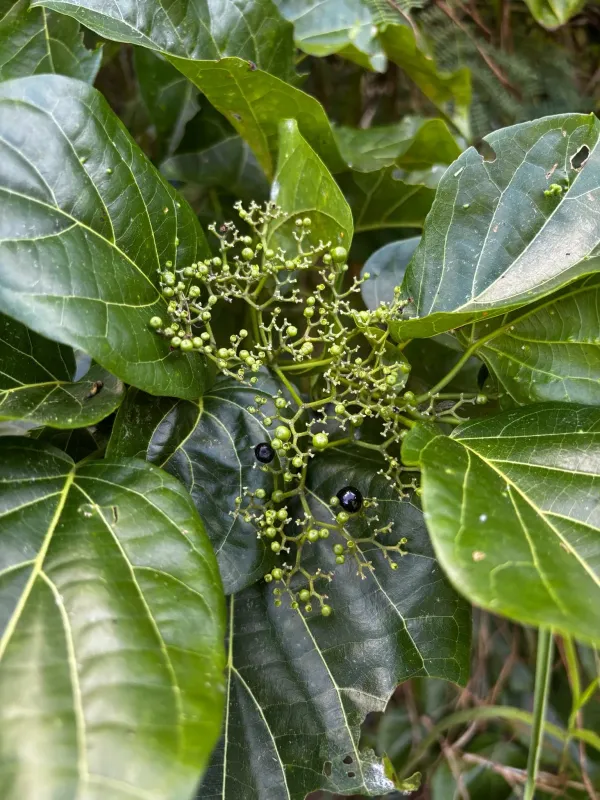
Botanically, Premna serratifolia is characterized by its opposite, serrated leaves and small, greenish-white flowers organized in compound corymbs. These inflorescences are vital for local ecosystems, acting as a nectar source for various pollinators, which enhances biodiversity within the agricultural area.
Economic importance is centered on its extensive use in traditional medicine, where its roots and leaves are processed for their pharmacological potential. Additionally, the plant serves as a natural stabilizer for coastal landscapes, effectively preventing soil erosion and improving local soil structure over time.
Main diseases and pests
Pests such as aphids and leaf-eating caterpillars are the most common threats to the plant's foliage. Furthermore, if the growing medium lacks proper drainage, the root system becomes highly susceptible to fungal infections and rot, which can prove fatal to the entire plant if left unmanaged.