
Premna mollissima
Premna mollissima
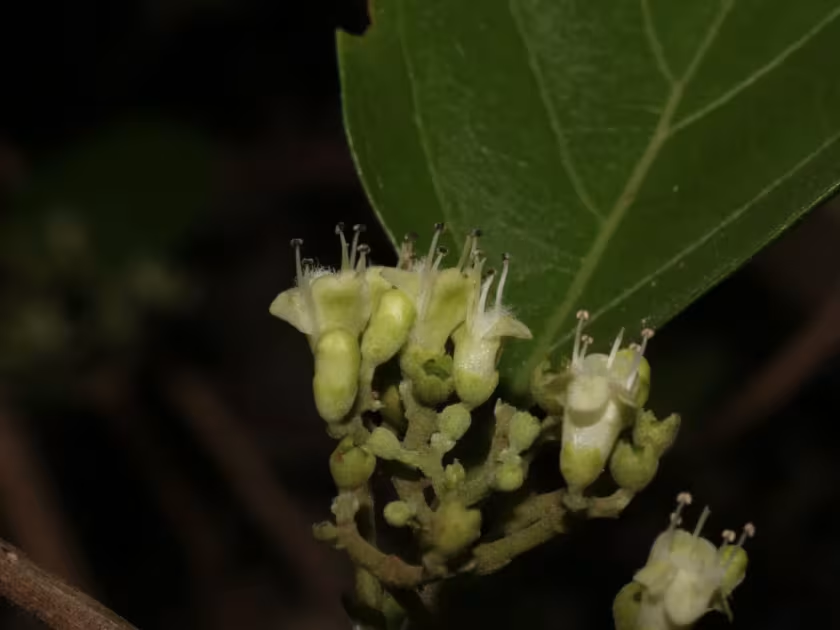
Description
Growing requirements
Premna mollissima is a woody perennial plant belonging to the Lamiaceae family. It is recognized for its characteristic soft, velvety pubescence on the leaves, which distinguishes it within the genus Premna. It is primarily valued in various regions for its potential medicinal and industrial applications.
The native distribution of this species spans the tropical and subtropical regions of Southeast Asia. It thrives in humid forest ecosystems where high levels of rainfall and consistent ambient temperatures create an optimal environment for rapid biomass accumulation.
In terms of agricultural requirements, the plant demands warm climates with temperatures ideally ranging from 22 to 30 degrees Celsius. It is highly sensitive to frost, which limits its outdoor cultivation to strictly tropical or subtropical zones, while temperate regions require greenhouse protection.
Soil management for Premna mollissima involves providing well-drained, nutrient-rich substrates. The plant performs best in slightly acidic to neutral soils. Proper soil structure is essential to prevent waterlogging, which the species is particularly vulnerable to due to its root physiology.
Agronomic practices include regular pruning to maintain plant shape and encourage lateral growth. Adequate spacing is crucial for ensuring sufficient air circulation, which helps maintain the health of the canopy and simplifies maintenance activities during the growing season.
Main diseases and pests
Disease management is a critical aspect of farming Premna mollissima. The most common threats are fungal pathogens, such as powdery mildew, which thrive in high-humidity conditions with stagnant air. Maintaining proper airflow is the primary defense strategy.
Pest pressure often comes from sucking insects, including whiteflies and spider mites. These pests prefer the tender shoots of the plant and can cause significant damage if populations are not controlled early through scouting and appropriate intervention.
Root diseases, specifically those caused by Phytophthora species, represent a severe threat to crop longevity. These pathogens often enter through damaged roots in waterlogged soil, emphasizing the need for high-quality drainage systems in commercial settings.
Nutrient deficiency symptoms, such as interveinal chlorosis, should be monitored closely. Applying a balanced fertilizer program, including trace minerals, is essential to sustain the plant's health and ensure high quality of the harvested vegetative material.
Integrated Pest Management (IPM) is highly recommended. This involves utilizing natural predators for pest control, monitoring environmental conditions, and applying chemical treatments only as a last resort, ensuring that the production remains sustainable and compliant with standards.