
Point Reyes ceanothus
Ceanothus gloriosus J. T. Howell
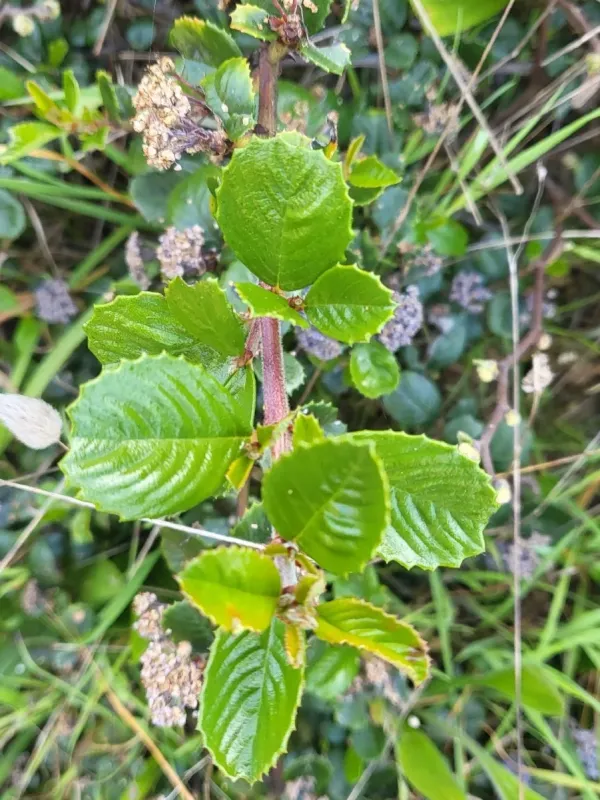
Description
Growing requirements
Point Reyes ceanothus (Ceanothus gloriosus) is an evergreen, ground-covering shrub belonging to the Rhamnaceae family. Native to the coastal regions of California, this plant is perfectly adapted to Mediterranean-style climates, characterized by mild, wet winters and warm, dry summers.
The plant thrives in well-draining, sandy, or rocky soils. It is critical to ensure proper drainage, as Ceanothus species are highly susceptible to root rot if left in waterlogged conditions. Adding organic matter or gravel during the planting process can significantly improve soil structure.
Light requirements for this species are high, preferring full sun to partial shade. In its natural habitat, it enjoys direct sunlight, which stimulates the production of its signature clusters of blue flowers. However, in regions with intense afternoon heat, some shade can help maintain foliage color.
Regarding climate, this shrub is moderately frost-hardy but sensitive to harsh, freezing winds. It is recommended to plant it in a sheltered location, such as against a south-facing wall or in a wind-protected corner of the garden, to shield it from extreme temperature fluctuations.
Maintenance is relatively low once the plant is established. Watering should be focused on the first growing season to encourage deep root development. After that, the plant becomes exceptionally drought-tolerant and requires minimal intervention, making it an excellent candidate for water-wise gardens.
Main diseases and pests
Phytophthora root rot is the most serious threat to the Point Reyes ceanothus. This soil-borne fungus thrives in damp, heavy soils. Prevention is key: never overwater, and ensure that the plant has adequate air circulation around its base at all times to prevent moisture buildup.
Aphids are common pests that tend to feed on the tender new growth during the spring. While a light infestation might not kill the plant, it can lead to stunted growth and the spread of sooty mold, which grows on the honeydew secreted by the insects during their feeding process.
Scale insects can also attach to the stems and branches of the shrub. These pests can be difficult to manage due to their protective coverings. Horticultural oils applied during the dormant season are often the most effective method for controlling scale without causing environmental damage.
Powdery mildew may occur if humidity levels are high and air movement is restricted. This fungal disease appears as a dusty white coating on leaves. Improving spacing between plants and performing selective pruning to open up the canopy are standard practices to reduce the risk of infection.
It is important to avoid excessive nitrogen-based fertilizers, as they stimulate soft, succulent growth that is particularly attractive to sucking insects. A balanced, slow-release fertilizer applied sparingly in early spring is usually sufficient to support healthy development throughout the year.