
Platycerium quadridichotomum
Platycerium quadridichotomum
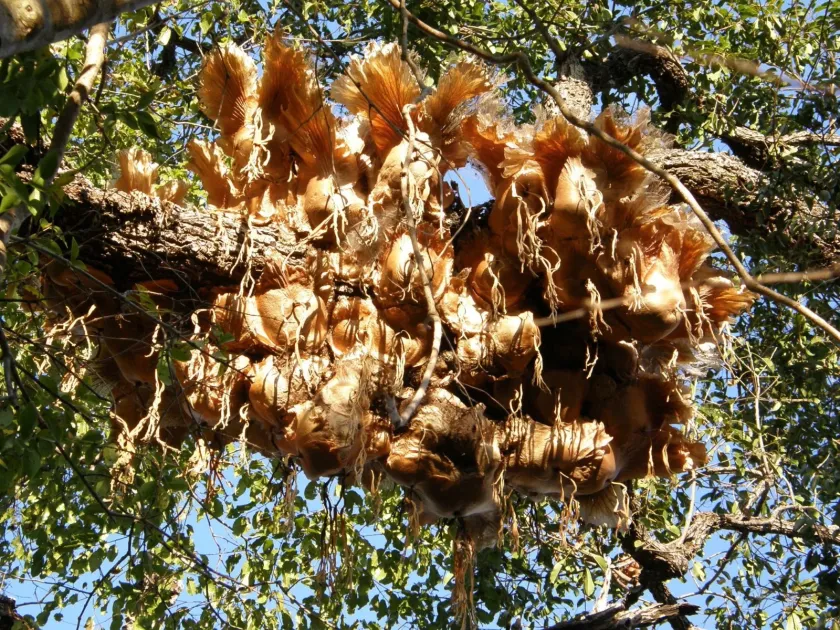
Description
Growing requirements
Platycerium quadridichotomum is a unique species of epiphytic fern belonging to the Polypodiaceae family. Native to the humid rainforests of Madagascar, this plant thrives by clinging to tree bark, absorbing moisture and nutrients directly from the air and decaying organic matter.
The primary requirement for this culture is high atmospheric humidity, ideally maintained above 70%. In a controlled agricultural or greenhouse environment, consistent misting is essential to mimic the plant's natural microclimate and prevent its fronds from drying out.
When selecting a growing medium, it is crucial to avoid standard potting soil. Instead, use a specialized mixture of orchid bark, sphagnum moss, and charcoal. This composition ensures excellent aeration, which is vital for the health of the fern's epiphytic root system.
Temperature management is another critical factor, with the plant performing best in a range of 18°C to 25°C. Protecting the specimen from sudden cold drafts and temperature fluctuations is necessary to maintain its physiological balance and ornamental vigor.
Light requirements for Platycerium quadridichotomum involve bright, indirect light. Exposure to intense, direct midday sun will quickly scorch the fronds, leading to permanent damage. North-facing or shaded windows provide the most suitable light conditions for healthy growth.
Main diseases and pests
Root rot is the most common health issue, typically caused by waterlogged substrates or poor drainage. To prevent this, ensure that the irrigation cycles allow the substrate to dry slightly before the next application of moisture.
Scale insects are frequent pests that can quickly colonize the plant's shield fronds. These pests pierce the plant tissues to feed on sap, which weakens the fern and often leaves behind a sticky residue that encourages fungal growth.
Mealybugs represent another significant threat, often hiding in the dense foliage of the fern. Infestations are best managed through early detection and the careful application of systemic insecticides or horticultural oils according to the label guidelines.
Excessive salinity in the water supply can accumulate in the substrate, leading to toxic conditions for the roots. Utilizing filtered or distilled water is highly recommended to maintain the long-term health and vitality of the culture.
Poor ventilation acts as a catalyst for various fungal and bacterial infections. Maintaining active airflow around the foliage is a key preventive measure to ensure the plant remains resilient against potential biological threats throughout the growing season.