
Platanthera zothecina
Platanthera zothecina
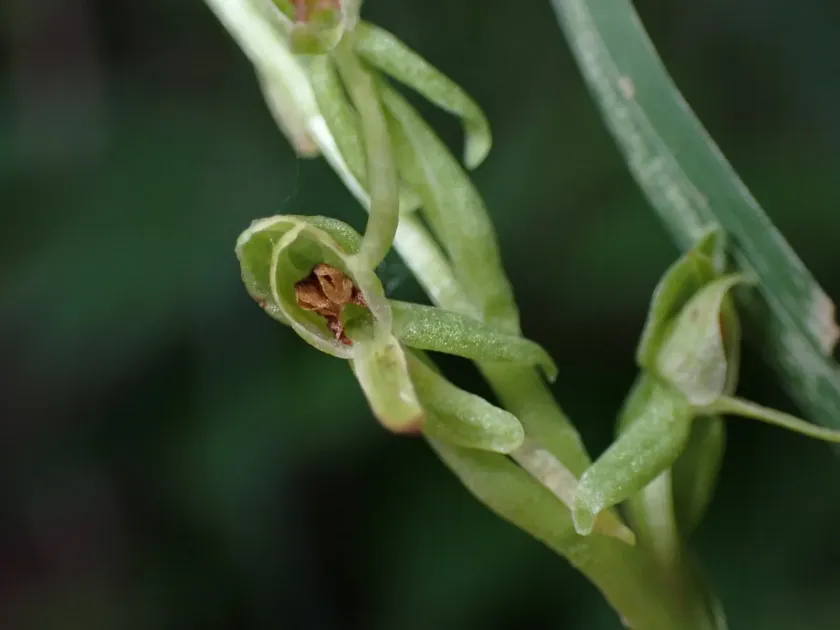
Description
Growing requirements
Platanthera zothecina is a distinctive member of the Orchidaceae family, recognized for its specific ecological niche requirements. As a herbaceous perennial, it exhibits unique adaptations that allow it to thrive in specialized microhabitats within mountain regions.
The plant strictly requires high atmospheric and soil moisture levels. It is typically found in deep canyons, rocky crevices, and shaded forest understories where environmental conditions remain constant throughout the year.
Regarding soil preference, this orchid thrives in loose, humus-rich substrate with a neutral to slightly acidic pH. The presence of specific mycorrhizal fungi is essential for the nutrient exchange required for its survival and growth, as the orchid is highly dependent on these symbiotic relationships.
Light exposure is a critical factor; the species is sensitive to direct sunlight, which can rapidly dehydrate its tissues. It favors sheltered areas that provide filtered light or deep shade, protecting it from temperature extremes and excessive heat.
Botanically, the species is characterized by its tuberous roots and an erect stem bearing a spike of greenish-yellow flowers. It relies on nocturnal pollinators, which are attracted to its subtle, evening-released scent, ensuring successful fertilization.
Main diseases and pests
Habitat loss due to deforestation and land development poses the most significant threat to the survival of Platanthera zothecina. Any disruption to the hydrological cycle of its native environment can lead to local extinction.
Root pathogens and various fungal infections represent a major health threat, especially in conditions where soil aeration is poor. Once a plant is infected, the specialized tuberous root system is often compromised, leading to rapid decline.
Gastropods, including slugs and snails, are persistent pests that feed on the soft, succulent foliage and flower stalks. Their activity increases significantly during rainy seasons, often causing irreversible damage to the plant's reproductive structures.
Invasive plant species frequently compete with this orchid for vital space and resources. Given the plant's relatively slow growth rate, it struggles to recover if its microhabitat is overtaken by more aggressive or fast-growing vegetation.
Climate change effects, particularly longer periods of drought, severely limit the orchid's survival. Lacking mechanisms to endure water scarcity, the species becomes highly vulnerable when its naturally moist environment begins to dry out.