
Choris's rein orchid
Platanthera chorisiana
Description
Growing requirements
Choris's rein orchid (Platanthera chorisiana) is a perennial herbaceous plant belonging to the Orchidaceae family. It is recognized as a rare and protected botanical species, known for its small stature and specialized growth requirements in northern ecosystems.
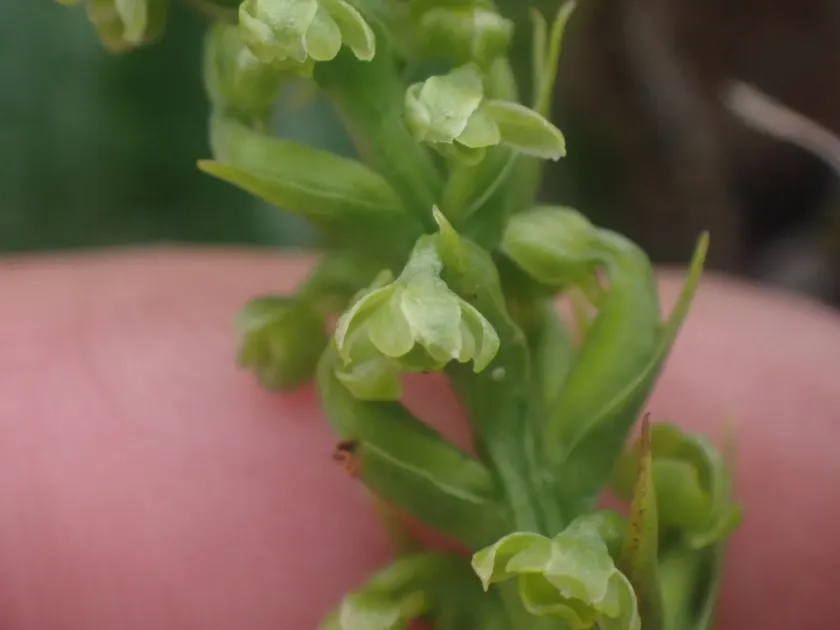
The plant is distinguished by two small ovoid tubers and a slender stem, typically reaching 5 to 20 centimeters in height. Its foliage consists of two basal leaves, and it produces a sparse, racemose inflorescence containing small, greenish-white or pale flowers.
The native distribution of this orchid includes regions of the Russian Far East, Japan, and parts of Alaska. It occupies highly specific habitats such as wet meadows, mossy tundras, and the margins of water bodies, where constant soil moisture is naturally maintained.
Cultivation requirements are extremely strict, as the plant relies heavily on symbiotic mycorrhizal fungi present in the soil. It thrives best in acidic, humus-rich, and consistently moist substrates, being unable to withstand the arid conditions typical of conventional agricultural land.
Regarding commercial use, this species is not an agricultural crop. It holds scientific value and is considered a sensitive indicator of ecological health, which is why conservation efforts focus on protecting its wild populations rather than industrial cultivation.
Main diseases and pests
The primary threats to this species include habitat loss due to land development, peatland drainage, and climate change. Because it is not an agricultural crop, there are no documented insect pests that cause significant damage to its population on a commercial scale.
Fungal pathogens represent the most significant biological threat, particularly in disrupted ecosystems where root rot can spread rapidly. Vulnerability to these diseases increases when the natural hydrological regime of the habitat is negatively altered by human activity.