
Platanthera tipuloides
Platanthera tipuloides
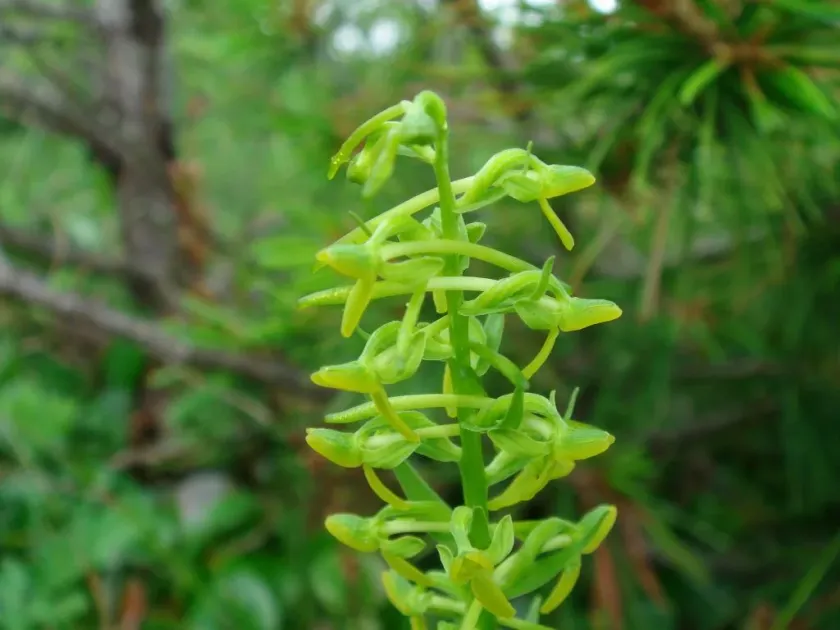
Description
Growing requirements
Platanthera tipuloides is a member of the Orchidaceae family. It is a perennial herbaceous plant, which is not classified as an agricultural crop due to its status as a rare and protected botanical species.
In its natural habitat, the plant grows in wetlands, moist meadows, and near forest bogs. Its development is strictly dependent on symbiotic relationships with specific mycorrhizal fungi present in the substrate.
The plant requires high humidity levels and acidic to slightly acidic soil conditions, rich in organic matter. It is highly sensitive to fluctuations in local hydrological regimes.
The native range of this species covers regions of East Asia, including the Russian Far East and Japan. It is perfectly adapted to the temperate climate conditions of these areas.
Commercial cultivation is non-existent as the species is typically protected by law. Propagation outside of its natural ecosystem is notoriously difficult due to complex biological dependencies.
Main diseases and pests
The primary threat to the species is habitat destruction, particularly through drainage projects and land reclamation that disrupt the water balance of wetlands.
Ecological degradation, including pollution or changes in soil acidity, can kill the symbiotic fungi, thereby preventing the germination and growth of the orchids.
Fungal infections can occur if the local microclimate becomes unstable, potentially damaging the root systems or the sensitive underground tubers.
Insects and gastropods are known to feed on the plant's leaves and reproductive parts, which can negatively impact the reproductive success of small populations.
Human activities, such as over-collection for scientific or personal purposes, pose a significant risk to the long-term survival of this orchid species in the wild.