
Platanthera pachycaulon
Platanthera pachycaulon
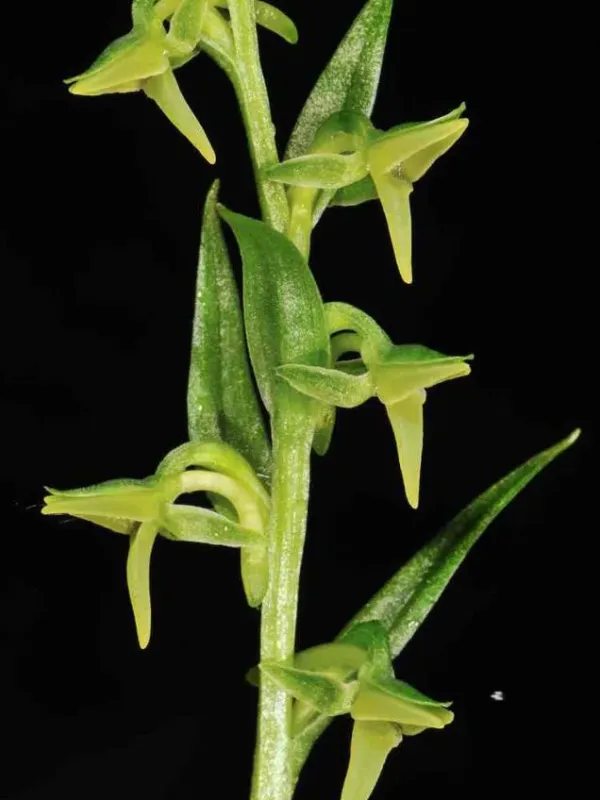
Description
Growing requirements
Platanthera pachycaulon is a rare species belonging to the Orchidaceae family. It is a perennial herbaceous plant known for its distinct botanical structure and limited distribution in specialized ecological niches.
The plant thrives in moist environments, typically found in humid forests or marshy meadows. It requires specific soil conditions, including high organic matter content and a stable symbiotic relationship with local mycorrhizal fungi, which are essential for nutrient uptake.
Botanically, the plant is characterized by a thick, fleshy stem that sets it apart from other species in the genus. The leaves are typically basal or lower-stem positioned, providing necessary photosynthesis for its limited annual growth cycle.
Due to its high sensitivity to soil composition, pH levels, and hydrological conditions, this plant is not suitable for agricultural cultivation. It cannot be grown as a traditional crop because it relies entirely on its natural environment.
There is no economic or commercial use for this plant. It is considered an endangered species of botanical interest, and its value lies entirely in its contribution to biodiversity and ecological stability within its indigenous habitat.
Main diseases and pests
The primary threat to Platanthera pachycaulon is habitat destruction. Deforestation, drainage projects, and land development activities directly affect the water balance required for the orchid's survival.
Fungal pathogens and root rot are common threats when the plant's environment is disturbed. Pests, including slugs and certain insect larvae, can feed on its succulent tissues, causing irreversible damage to individuals.
The plant has low tolerance for environmental fluctuations caused by climate change. As the micro-climate shifts, the delicate balance between the plant and its symbiotic fungi is frequently broken, leading to a population decline.
Illegal collection and poaching for amateur gardening also pose a significant risk. Because the plant requires specific fungi, it almost always dies when removed from its natural habitat, making these actions devastating to the population.
Effective management involves strict habitat protection rather than agricultural control methods. Conservation efforts focus on preserving water levels and preventing the intrusion of invasive species that might outcompete the orchid for nutrients.