
Platanthera ophrydioides
Platanthera ophrydioides
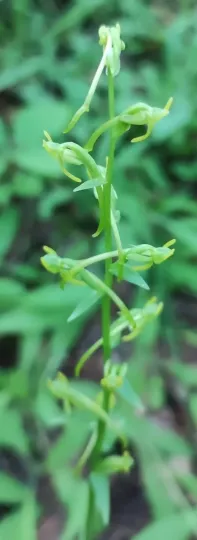
Description
Growing requirements
Platanthera ophrydioides is a perennial herbaceous plant belonging to the Orchidaceae family. It is not considered an agricultural crop but rather a wild species of significant botanical and ecological value.
The native range of the species is primarily in the temperate forests of East Asia. The plant thrives in shaded, humid environments, such as coniferous or mixed forests, where moisture levels remain consistently high throughout the year.
Environmental requirements for this orchid are strict, emphasizing the need for acidic, humus-rich, and well-aerated soils. The presence of specific mycorrhizal fungi is essential for the seed germination and survival of the plant.
Climatic preferences include regions with mild-to-cool summers and high humidity. The plant is sensitive to direct sunlight and requires a stable microclimate to prevent the desiccation of its root system.
Botanically, it is identified by its pair of basal leaves and a spike-like inflorescence bearing greenish-white flowers. Its growth cycle is slow, and it relies heavily on established forest ecosystems to complete its life stages.
Main diseases and pests
The primary threats to this species include the destruction of its natural habitat through deforestation, urbanization, and land development. The loss of suitable forest canopies directly affects the undergrowth microclimate.
Hydrological changes, such as the drainage of wetlands or changes in water tables, are critical threats. The plant cannot tolerate significant fluctuations in soil moisture, leading to its rapid decline.
Common pests include slugs and snails, which can cause significant damage to the foliage and flower stalks, particularly in damp forest conditions where these pests are prevalent.
Pathogens typically include soil-borne fungi that lead to root rot. Such diseases are usually associated with poor soil structure or stagnant water, which compromises the plant's natural resistance.
Due to its high degree of specialization and dependence on forest micro-environments, the plant does not respond well to cultivation attempts, reinforcing the necessity for habitat protection rather than agricultural management.