
Platanthera oligantha
Platanthera oligantha
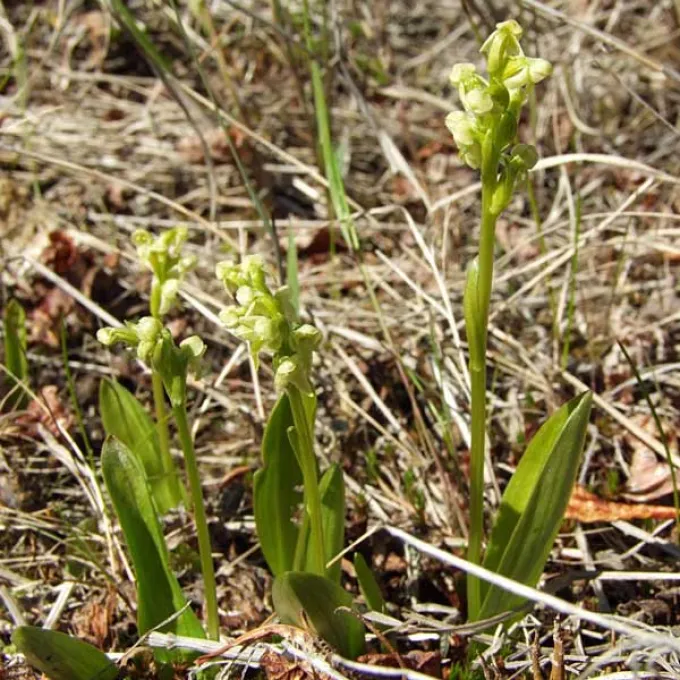
Description
Growing requirements
Platanthera oligantha is a perennial herbaceous plant belonging to the Orchidaceae family. It is a rare and highly sensitive species that requires precise environmental parameters for its survival in the wild.
The plant exhibits a specialized biological development process, relying heavily on mycorrhizal fungi for nutrient uptake. Without the presence of these symbiotic fungi, the seeds cannot germinate, and the mature plant cannot sustain its growth.
This orchid favors damp forest environments and boggy conditions. It requires high atmospheric humidity and a stable thermal regime, as the species is extremely sensitive to microclimatic changes in its natural habitat.
The soil requirements for Platanthera oligantha involve acidic substrates rich in organic humus. As a wild species, it does not adapt to agricultural tillage, and there is no practice of cultivating this plant for commercial or agronomic purposes.
Due to its complex biological niche and slow reproductive cycle, the species remains strictly a subject of conservation biology rather than a crop. The preservation of its natural forest habitat is essential for the survival of the species.
Main diseases and pests
The primary threat to Platanthera oligantha populations is the alteration of hydrological conditions. Drainage of wetlands and forest clearing for industrial use destroy the fragile ecosystems required for the orchid to persist.
The plant is susceptible to various fungal pathogens, especially those affecting the root-symbiont complex. Disruptions in soil microbiome balance can prevent the plant from acquiring necessary nutrients, leading to rapid decline.
Specific insect pests that target orchid inflorescences can significantly reduce the annual seed set. In high-humidity forest areas, bacterial and fungal rot remains a constant risk for the vegetative parts of the plant.
Human activity, such as unauthorized foraging and trampling in wild habitats, poses a severe risk to local colonies. Habitat fragmentation prevents the effective dispersal of seeds and narrows the genetic base of the population.
Conservation efforts prioritize the maintenance of undisturbed forest landscapes. Limiting human access and ensuring the protection of the surrounding biodiversity are the only effective ways to mitigate threats to this species.