
Platanthera minor
Platanthera minor
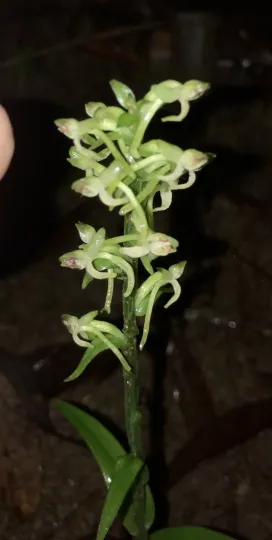
Description
Growing requirements
Platanthera minor is a perennial herb belonging to the Orchidaceae family. It is recognized as a specific type of terrestrial orchid that relies heavily on symbiotic relationships with soil fungi for its initial development and sustained growth.
The native distribution of this plant includes parts of East Asia, such as Japan, Korea, and Far Eastern territories. It primarily thrives in semi-shaded forest environments, meadows, and areas with stable atmospheric humidity.
Botanically, the plant features two small root tubers which act as storage organs. These structures are vital for the plant to withstand seasonal climate fluctuations and to emerge reliably during the spring growing season.
Requirements for soil include high levels of organic matter and proper aeration. The species is highly sensitive to soil compaction, which hinders root expansion and the growth of essential mycorrhizal networks required for nutrient uptake.
Climatically, Platanthera minor prefers regions with moderate temperatures and sufficient rainfall during the peak growing months. Excessive heat or prolonged drought periods generally lead to leaf desiccation and failure to produce seeds.
Main diseases and pests
The primary threats to this species are habitat loss and environmental fragmentation. As land is converted for agricultural or industrial use, the specific ecological niches necessary for the orchid to thrive disappear.
Gastropod pests, such as slugs and snails, represent a significant threat to the vegetative parts of the plant. They often consume young shoots, which can severely impact the plant's ability to store energy for the next year.
Root rot pathogens, often exacerbated by poor soil drainage, pose a lethal risk to the tubers. When the soil remains waterlogged for extended periods, the tubers become prone to fungal infections that destroy the root system.
Changes in landscape management, including the cessation of traditional mowing or grazing in certain areas, can lead to overgrowth by competitive species. This shading effect often prevents the orchid from receiving enough light to flower.
Due to its high sensitivity and low reproductive rate in the wild, the species is often subject to local protection status. It is rarely utilized for agricultural purposes and is instead valued for its importance in maintaining biodiversity.