
Platanthera micrantha
Platanthera micrantha
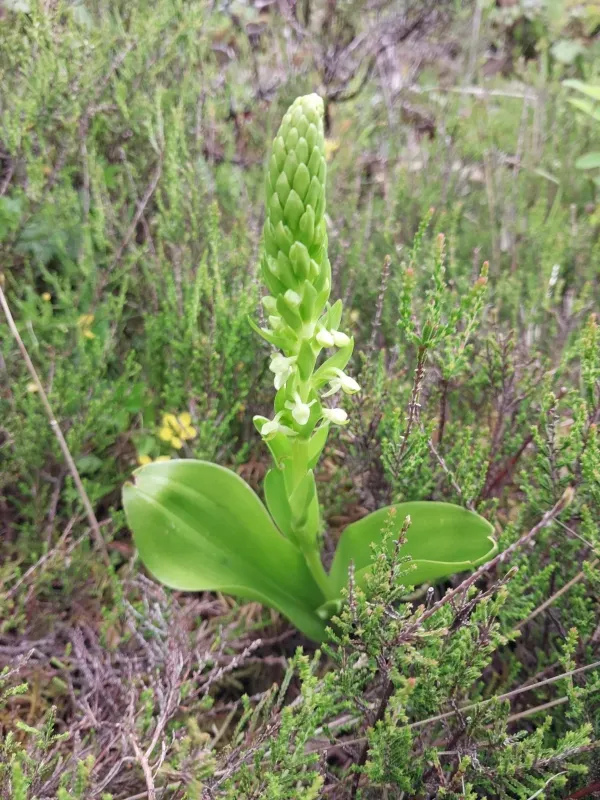
Description
Growing requirements
Platanthera micrantha is a perennial herbaceous plant belonging to the family Orchidaceae. This species is a non-agricultural plant that serves as a vital indicator of healthy, undisturbed forest ecosystems in temperate regions.
The plant requires well-drained, moist forest soils with a slightly acidic pH level. A fundamental biological requirement is the presence of specific mycorrhizal fungi in the soil, which form a symbiotic relationship with the orchid to facilitate seed germination and nutrient uptake.
Platanthera micrantha thrives in areas with filtered light, typical of coniferous or mixed deciduous forests. It is highly sensitive to extreme light conditions, struggling to survive in both dense canopy shade and direct, high-intensity sunlight.
Climate adaptability is limited to temperate zones characterized by consistent humidity. The plant relies on stable ground moisture levels to support its underground root tubers, which are extremely sensitive to fluctuations in the water table and soil aeration.
Due to its complex ecological needs, cultivation outside its natural habitat is exceptionally difficult. The species is not suited for conventional agricultural practices and remains essentially a wild plant that requires protected conservation status to persist.
Main diseases and pests
The primary threats to Platanthera micrantha involve habitat loss due to deforestation and land development. Any modification to the forest landscape, such as clearing canopy trees, inevitably leads to the decline of the local orchid population.
Pathogenic soil fungi pose a significant risk, especially when soil structure is disturbed. Over-compaction of the ground prevents proper oxygenation, creating an environment where root rot can quickly destroy the subterranean tubers of the orchid.
Herbivory by slugs and snails is a common issue, as these pests frequently feed on the tender foliage and developing flower spikes. These injuries can severely weaken the plant, reducing its ability to perform photosynthesis and produce seeds.
Competition from aggressive, fast-growing weeds represents a major ecological pressure. As the forest floor composition changes due to human activity, invasive species often outcompete the slow-growing Platanthera micrantha for limited resources.
The disruption of the essential soil microbial network is the most severe threat to the species' survival. Without the necessary fungal partners, the plant cannot reproduce, leading to an inevitable collapse of the population within the affected area.