
Platanthera michaelii
Platanthera michaelii
Description
Growing requirements
Platanthera michaelii is a perennial herbaceous plant belonging to the Orchidaceae family. It is a rare species native to the islands of Japan, where it typically inhabits cool, moist forest environments at specific altitudes.
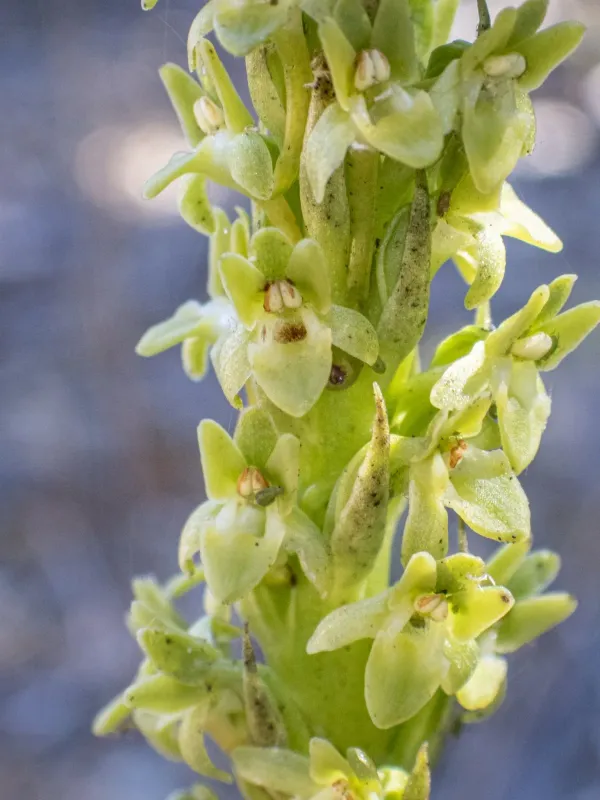
Botanically, the plant is identified by its distinct basal leaves and an upright inflorescence bearing numerous small, greenish-white flowers. Like many species in the Platanthera genus, it maintains an obligate symbiotic relationship with specific soil fungi, which is crucial for its nutrient uptake and germination.
The plant demands high environmental standards, preferring shaded locations with stable humidity and well-draining, humus-rich soil. It is extremely sensitive to microclimatic changes, making it difficult to maintain outside of its specialized native ecosystem.
This species is not classified as an agricultural crop and has no history of commercial cultivation. Research and cultivation efforts are strictly restricted to botanical institutions aimed at preserving genetic diversity and studying the complex life cycle of temperate orchids.
In terms of human use, Platanthera michaelii holds no agricultural or industrial value. Its primary significance is scientific and ecological, as it serves as an indicator of forest health in its native range, where it is protected under various local conservation laws.
Main diseases and pests
The primary threats to this species include habitat fragmentation, deforestation, and climate-induced shifts in forest humidity levels. The disruption of symbiotic fungal colonies in the soil also poses a significant risk to the survival of existing wild populations.