
Greater Purple Fringed Orchid
Platanthera grandiflora
Description
Growing requirements
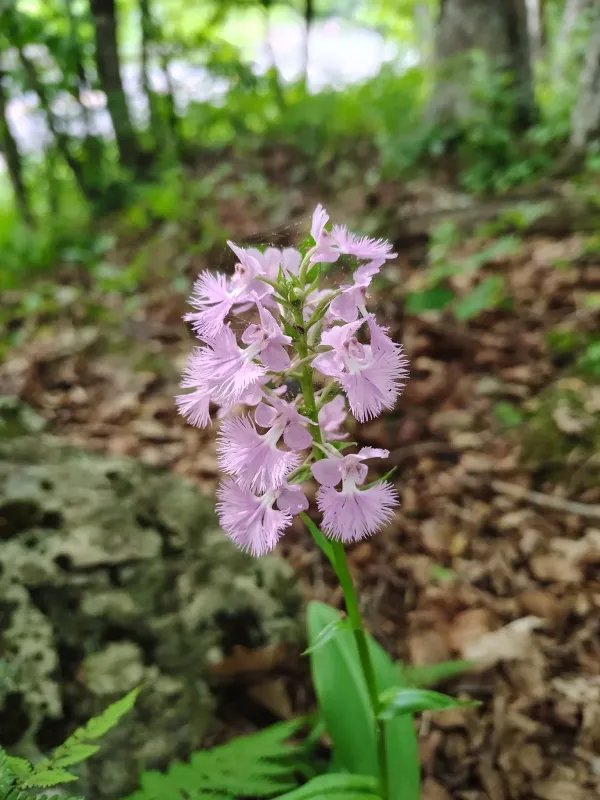
The Greater Purple Fringed Orchid (Platanthera grandiflora) is a notable herbaceous perennial plant within the Orchidaceae family. It is renowned for its large, fragrant, purple flowers that grow in dense, showy spikes, making it a subject of interest for both botanists and horticultural enthusiasts.
The species is primarily native to the damp woodlands and wetlands of North America. It thrives in shaded environments, typically inhabiting bogs, swamps, and the margins of streams where the soil remains consistently moist throughout the growing season.
Cultivation requires specific soil conditions, characterized by high acidity and an abundance of organic matter. A critical biological requirement is the presence of specific soil fungi, as the orchid relies on mycorrhizal symbiosis for nutrient uptake and seed germination.
The climate requirements for this plant involve moderate temperatures with a distinct period of winter dormancy. While it is cold-hardy, the plant is extremely sensitive to fluctuations in soil moisture; desiccation during the growing season can be fatal to the root system.
In terms of agricultural use, this species is not a field crop but is utilized in specialized ornamental horticulture. Due to its high sensitivity to environmental changes and complex propagation requirements, large-scale cultivation remains limited to expert nursery settings.
Main diseases and pests
The primary threats to the species include habitat destruction caused by wetlands drainage and soil acidification changes. Additionally, the alteration of natural water tables in forest ecosystems has led to a significant decline in many historical habitats.
Regarding pests, the plant is highly susceptible to mollusks such as slugs and snails, which feed on tender vegetative parts. Furthermore, improper soil drainage often leads to root rot pathogens, which are the most common cause of failure in attempts to introduce the plant into garden environments.