
Crested fringed orchid
Platanthera cristata
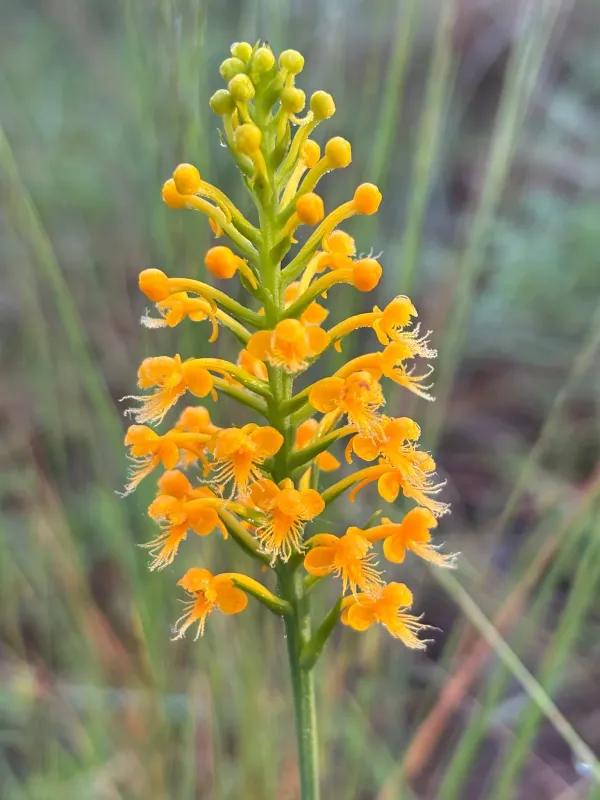
Description
Growing requirements
The crested fringed orchid (Platanthera cristata) is a perennial herbaceous plant belonging to the Orchidaceae family. It is a terrestrial orchid species native to the eastern regions of North America, where it typically inhabits specific wetland environments.
This plant thrives in moist, acidic habitats, including boggy meadows, pine flatwoods, and damp sandy landscapes. It is not an agricultural crop but is recognized as a significant species for botanical study and biodiversity conservation.
Botanically, it is identified by its upright stem bearing lanceolate leaves and a dense spike of small, vibrant orange-yellow flowers. The fringed lip of the flower is the key diagnostic feature distinguishing it from other orchid species.
Successful growth of Platanthera cristata depends entirely on maintaining high soil moisture and the presence of essential mycorrhizal fungi. The plant forms a complex symbiotic relationship with these fungi, which provide the nutrients necessary for its life cycle.
In terms of human use, the species is primarily valued in conservation efforts and by specialist botanical enthusiasts. Due to its high sensitivity to environmental fluctuations, cultivation outside of its native habitat or controlled laboratory conditions remains extremely challenging.
Main diseases and pests
The main threats to the crested fringed orchid population include habitat destruction, particularly drainage of wetlands and hydrological changes caused by land development. Such alterations disrupt the delicate moisture balance essential for the orchid's survival.
Fungal diseases are a significant threat, especially when the soil environment becomes stagnant. Poor aeration often leads to root rot, which can swiftly decimate a plant by destroying the symbiotic connection with mycorrhizal fungi.
Pests such as aphids and various caterpillars can damage the foliage and developing flower spikes. Because the species is rare and environmentally sensitive, traditional chemical control methods are rarely suitable or recommended.
Shifts in soil chemistry, particularly pH levels, pose a significant risk to the plant's health. Any change in the soil micro-environment can negatively impact the fungal partners, leading to the gradual decline of the plant population.
Limited reproductive capacity and a reliance on specific pollinators and fungal symbionts mean that the species has a low resilience to disturbances. Active conservation programs are vital to ensure the long-term viability of the remaining wild populations.