
Platanthera cooperi
Platanthera cooperi
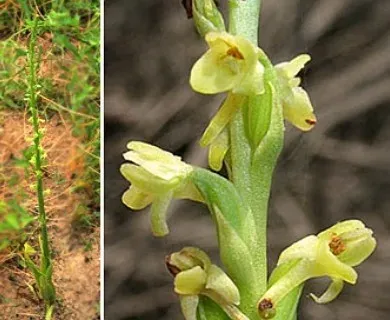
Description
Sowing dates
Platanthera cooperi is a perennial tuberous plant belonging to the Orchidaceae family. In its natural habitat, the plant relies on symbiotic fungi to germinate its minute, dust-like seeds, which lack endosperm.
Propagation is typically conducted in controlled laboratory environments using in vitro culture techniques. Successful germination requires a specific nutrient medium that mimics the chemical signals provided by host fungi.
The dormant phase of the plant occurs during the summer months when the foliage dies back. During this time, the tubers remain underground, waiting for the return of cooler, moister conditions in the autumn and winter.
Field sowing is generally ineffective due to the absence of required mycorrhizal associates in standard garden soils. Consequently, agricultural efforts are focused on the maintenance of established tubers rather than seed sowing.
Gardeners and horticulturists usually source propagated tubers from specialized nurseries that maintain the necessary sterile conditions for early development, ensuring higher survival rates for planting.
Growing requirements
Platanthera cooperi thrives in shaded or semi-shaded environments, avoiding direct sunlight which can desiccate its leaves. It is native to open coastal areas and woodland fringes in California.
Soil composition is critical; it must be well-draining, loose, and slightly acidic. The integration of organic matter such as pine bark or perlite is recommended to maintain the correct aeration levels.
The climate requirements involve a distinct seasonality. The plant prefers cool, moist winters followed by warm, dry summers, which aligns with its Mediterranean-influenced natural range.
Water management is essential: regular moisture is needed during the active growth period, while the soil should remain almost dry during the summer dormancy period to prevent tuber decay.
Symbiotic balance is the key to successful development. Introducing appropriate fungal inoculants into the planting site can help mimic the natural soil biology required for the orchid's long-term health.
Main diseases and pests
Fungal rot is the primary threat to Platanthera cooperi, particularly when soil moisture levels are too high. Improving drainage and airflow is the most effective preventative measure against this condition.
Pests such as aphids and spider mites can infest the plant during the spring growing season. Regular inspection and the application of mild, organic insecticides are recommended to prevent severe damage.
Gastropods like snails and slugs are notorious for feeding on the emergent shoots of the orchid. Using copper tapes or physical barriers around the planting site can mitigate these losses effectively.
Viral infections can cause physiological stunted growth and discoloration. Because viruses are often incurable, affected specimens should be quarantined or removed to protect the remaining collection.
Over-fertilization is a common mistake that causes salt burn on the delicate root system. Only organic, orchid-specific fertilizers in very diluted concentrations should be used to support growth.