
Coleman's bog orchid
Platanthera colemanii
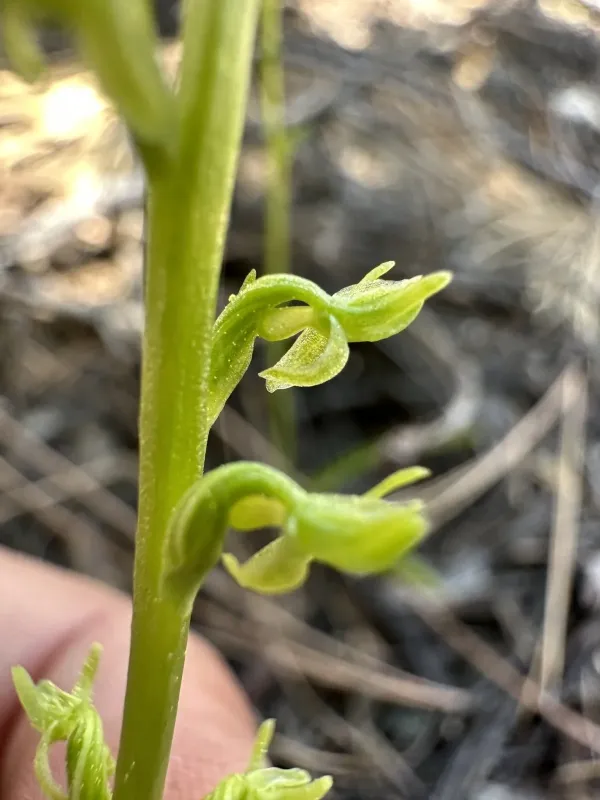
Description
Growing requirements
Coleman's bog orchid (Platanthera colemanii) belongs to the Orchidaceae family and is recognized as a rare, restricted-range species. It is primarily found in specialized habitats in California, characterized by specific hydrologic conditions.
The plant thrives in nutrient-poor but moist soils, often situated near alpine bogs or seepages. It is highly dependent on a stable water table and specific microclimates that prevent excessive heat stress during the summer months.
Botanically, it features a single stem with lanceolate leaves and a spike of small, fragrant flowers. Like many orchids, it relies on complex symbiotic relationships with soil fungi to germinate and maintain nutritional health during its growth cycle.
While not a commercial agricultural crop, the species is a subject of study in ex-situ conservation programs. Cultivating this orchid requires a controlled environment with precise temperature and humidity management, mimicking its native range.
The conservation value of the plant is high, as it serves as a bioindicator for the health of alpine meadow ecosystems. Protecting the soil structure and hydrology of its habitat is essential for its continued survival in the wild.
Main diseases and pests
The primary threats to Platanthera colemanii include habitat loss caused by regional hydrological changes and land development. Any fluctuation in the local water cycle can quickly destabilize the population.
Climate change poses a long-term risk, as altered precipitation patterns threaten the specific bog conditions the plant requires. Increased drought periods reduce the success rate of pollination and seed development.
Invasive plant species can outcompete the orchid for light and resources, leading to the gradual thinning of its population clusters. Management of invasive vegetation is a necessary activity in protected areas.
Herbivory, particularly by deer and other mammals, can inadvertently destroy individual plants before they reach the stage of seed dispersal. Physical fencing of critical areas is often used to mitigate this risk.
Additionally, fungal pathogens in saturated soils can lead to root rot, especially when drainage is compromised. Monitoring for signs of disease is a standard practice for botanical researchers tasked with preserving the species.