
Pitcairnia spectabilis
Pitcairnia spectabilis
Description
Growing requirements
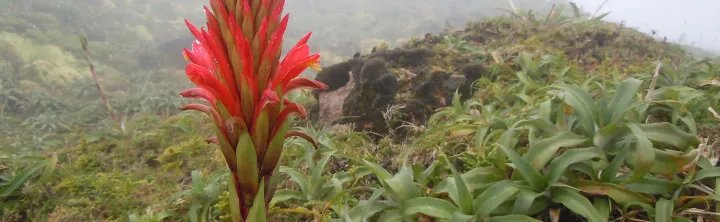
Pitcairnia spectabilis is a herbaceous perennial belonging to the Bromeliaceae family. Unlike many of its epiphytic relatives, this species typically grows as a terrestrial plant, adapted to the forest floor of dense tropical regions in Central and South America.
To successfully cultivate this species, it is essential to replicate its natural environment. This means providing stable temperatures between 20°C and 25°C and high humidity levels. It is sensitive to cold drafts and extreme temperature fluctuations, which can hinder its growth.
The growing medium must be porous, well-draining, and slightly acidic. A mix consisting of peat, leaf mold, pine bark, and charcoal is recommended to ensure the root system is well-aerated while retaining sufficient moisture for the plant's health.
Lighting requirements are specific: Pitcairnia spectabilis thrives in bright, indirect light. Direct sunlight is harmful and will quickly bleach or burn the foliage, leading to permanent damage. A north or east-facing position is often optimal for this plant.
Watering should be balanced. The soil should remain consistently moist but never waterlogged. It is crucial to use soft, room-temperature water, as mineral buildup from hard water can damage the sensitive root system and cause tip burn on the leaves.
Main diseases and pests
Common pests that attack this species include scale insects and mealybugs. These sap-sucking pests can be difficult to remove; therefore, regular inspections of the leaf axils are necessary. If an infestation occurs, horticultural oils or specialized insecticides should be used.
Spider mites are a significant threat, especially in low-humidity environments. Maintaining high humidity through misting or a pebble tray helps deter these pests, keeping the foliage clean and healthy throughout the year.
Root rot is the most common disease encountered, usually resulting from overwatering or poor drainage. If the plant shows signs of wilting despite moist soil, it is essential to check the roots, remove any decayed tissue, and repot into fresh, dry substrate.
Fungal infections can also occur if air circulation is inadequate. It is recommended to place the plant in an area with good ventilation to prevent moisture from lingering on the leaves for too long, especially in cooler, less active growth periods.
Following a strict maintenance routine and providing appropriate environmental conditions will effectively minimize the risk of diseases and ensure the plant maintains its unique ornamental beauty for a long time.