
Pitcairnia brunnescens
Pitcairnia brunnescens
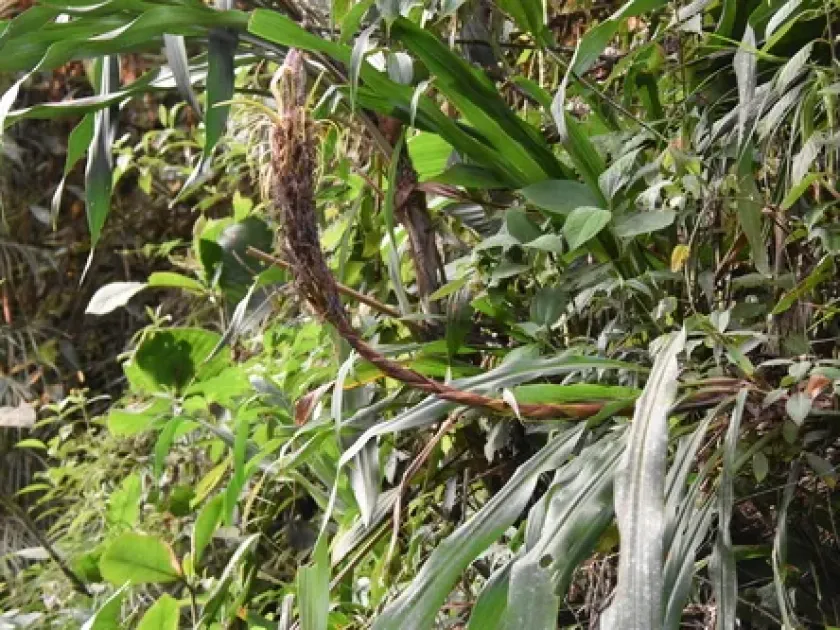
Description
Growing requirements
Pitcairnia brunnescens is a member of the Bromeliaceae family, known for its terrestrial growth habit. Unlike many epiphytic bromeliads, it thrives in soil-based substrates.
Native to the tropical forests of South America, this plant prefers a humid, sheltered environment. It is typically found in the forest understory, away from direct sunlight.
To cultivate this plant successfully, provide a well-draining, loose potting mix rich in organic matter. A mixture containing peat moss and perlite is ideal for root health.
Maintain temperatures between 18°C and 24°C throughout the year. The plant is sensitive to cold drafts and should be kept away from air conditioning vents.
Consistent moisture is vital. Water the plant when the top layer of soil feels dry, and mist the foliage regularly to mimic its natural humid forest environment.
Main diseases and pests
Spider mites are the most common pest, especially if the air humidity is insufficient. These mites damage foliage by sucking plant juices.
Root rot is a major physiological threat often caused by overwatering or using a medium that retains too much water without aeration.
Mealybugs can often colonize the leaf axils, requiring careful inspection and manual removal or treatment with appropriate insecticides.
Maintaining high humidity is the best natural defense against most pests, as it keeps the plant tissues resilient and less attractive to insects.
If an infestation occurs, treat the plant promptly with horticultural oils or soap solutions, ensuring that all leaf surfaces are thoroughly covered.