
Pitcairnia diffusa
Pitcairnia diffusa
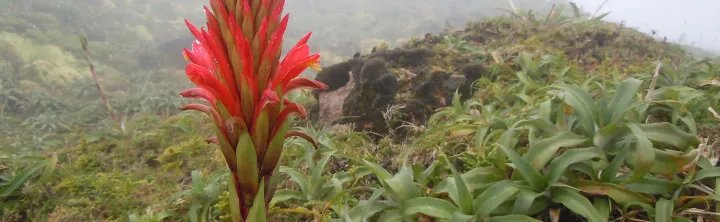
Description
Growing requirements
Pitcairnia diffusa is a unique species within the Bromeliaceae family, native to the tropical rainforests of South and Central America. This plant is recognized for its elegant foliage and distinct growth patterns that are typical of epiphytic or terrestrial bromeliads.
The climate requirements for this plant focus on consistent warmth and high ambient humidity. It thrives best in temperatures between 20°C and 26°C. Any exposure to cold drafts or temperatures below 15°C can cause significant stress, leading to physiological damage.
Regarding soil, this species demands a highly aerated and well-draining medium. A mix consisting of pine bark, peat moss, perlite, and charcoal is ideal to ensure that roots receive sufficient oxygen while retaining necessary moisture levels without becoming waterlogged.
Light intensity is critical for the healthy development of Pitcairnia diffusa. It requires bright, indirect light, mimicking the filtered sunlight of the forest canopy. Exposure to harsh, direct sunlight will scorch the leaves, while insufficient light may result in stunted, leggy growth.
Watering techniques should be precise. The substrate should remain consistently moist but not saturated. Providing water directly to the root zone is preferred, and ensuring that the water quality is free from excess minerals or chlorine helps maintain optimal leaf health.
Main diseases and pests
Root rot is the most common threat to this culture, usually resulting from poor drainage or overwatering. Fungal pathogens thrive in stagnant, wet soil conditions, quickly destroying the root system and preventing nutrient uptake.
Mealybugs and scale insects represent the most significant pest threats to the plant. These pests feed on the plant's sap, weakening it over time and often leaving behind honeydew, which promotes the growth of unsightly sooty mold on the foliage.
Spider mites can also become a problem in environments with low humidity. These microscopic pests create fine webs and cause stippling on the leaves, which significantly reduces the plant's aesthetic appeal and overall vitality if left unchecked.
Effective pest management relies on early detection. Regularly checking the undersides of leaves and the base of the plant rosette allows for the manual removal of pests before they can develop into large, damaging infestations.
If chemical intervention is necessary, it is vital to use systemic insecticides that are safe for indoor plants. Always follow label directions regarding concentration and application frequency to ensure the plant recovers safely without suffering chemical burn.