
Pitcairnia arcuata
Pitcairnia arcuata
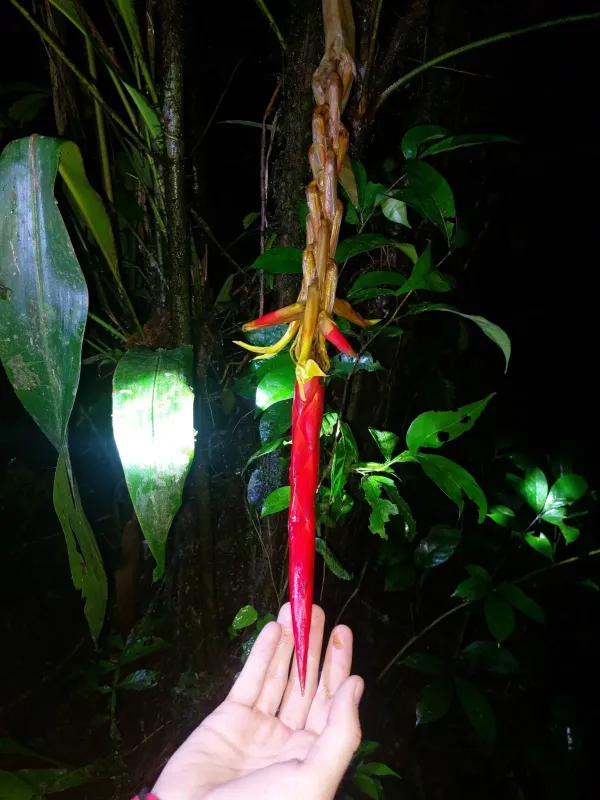
Description
Growing requirements
Pitcairnia arcuata is a herbaceous perennial belonging to the Bromeliaceae family. Renowned for its graceful, arching leaves and distinctive inflorescences, this plant represents an interesting subject for tropical botanical collections and specialized greenhouse cultivation.
The plant originates from the tropical regions of South America, where it thrives in moist, shaded environments. In agricultural and horticultural settings, it requires a stable climate that mimics the high-humidity, consistent-temperature conditions of its native rainforest habitat.
Light requirements for this species are centered on bright, indirect lighting. Prolonged exposure to intense direct sunlight can cause leaf scorching, while inadequate light levels will result in stunted growth and a significant loss of leaf color intensity and overall vitality.
The substrate must prioritize excellent drainage and aeration. A mixture containing peat, pine bark, perlite, and a small amount of charcoal is ideal, as it allows for the necessary airflow to the root system while retaining sufficient moisture for the plant's metabolic processes.
Temperature management is critical for the success of this crop. It prefers a range between 18°C and 24°C year-round. Exposure to cold drafts or temperatures below 15°C should be strictly avoided to prevent physiological stress and potential dormant phases that slow down growth.
Main diseases and pests
Scale insects represent a primary threat to Pitcairnia arcuata, often settling on the undersides of leaves. These pests are difficult to eradicate due to their protective shells, necessitating the use of systemic insecticides or manual removal with alcohol-soaked swabs.
Spider mites are another common challenge, typically manifesting in environments with low humidity. Their feeding habits cause chlorosis and webbing on the leaves, which can lead to premature leaf drop if not managed with increased humidity and acaricide treatments.
Root rot is the most frequent pathological issue resulting from poor drainage or overwatering. When the substrate becomes waterlogged, the roots lose the ability to respire, facilitating the rapid colonization by opportunistic anaerobic bacteria and fungal pathogens.
Botrytis and other leaf spot fungi may appear during periods of high humidity and poor ventilation. Proper spacing between plants and a constant flow of fresh air are essential to prevent the accumulation of moisture on the leaf surfaces.
Preventive maintenance involves regular cleaning of the foliage, proper sanitation of cultivation tools, and ensuring that the water used for irrigation is clean, soft, and balanced in pH to prevent chemical buildup in the soil medium.